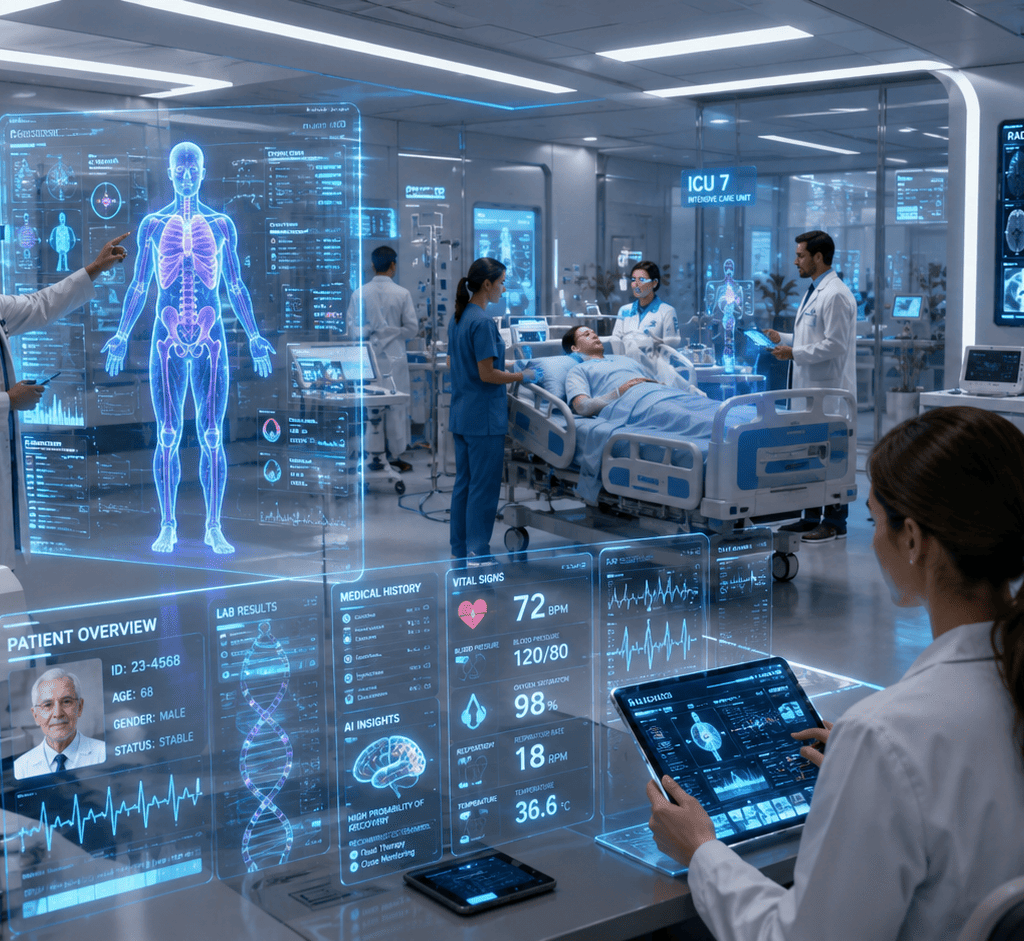

Artificial intelligence (AI) is rapidly reshaping healthcare by improving diagnosis, treatment, patient monitoring, medical research, and hospital operations. From detecting diseases in medical images to assisting physicians with clinical decision-making, AI has become an essential part of modern healthcare systems worldwide.
The growing adoption of health care AI tools is helping healthcare providers deliver faster, more accurate, and personalized care while reducing operational costs. Hospitals, diagnostic laboratories, research centers, pharmaceutical companies, and telemedicine platforms increasingly rely on AI-powered technologies to improve patient outcomes and streamline complex workflows.
Rather than replacing healthcare professionals, AI serves as an intelligent assistant that analyzes massive amounts of clinical data, identifies patterns that humans may overlook, and provides evidence-based recommendations. Combined with human expertise, AI has the potential to improve the quality, accessibility, and efficiency of healthcare on a global scale.
What Is Artificial Intelligence in Health Care?
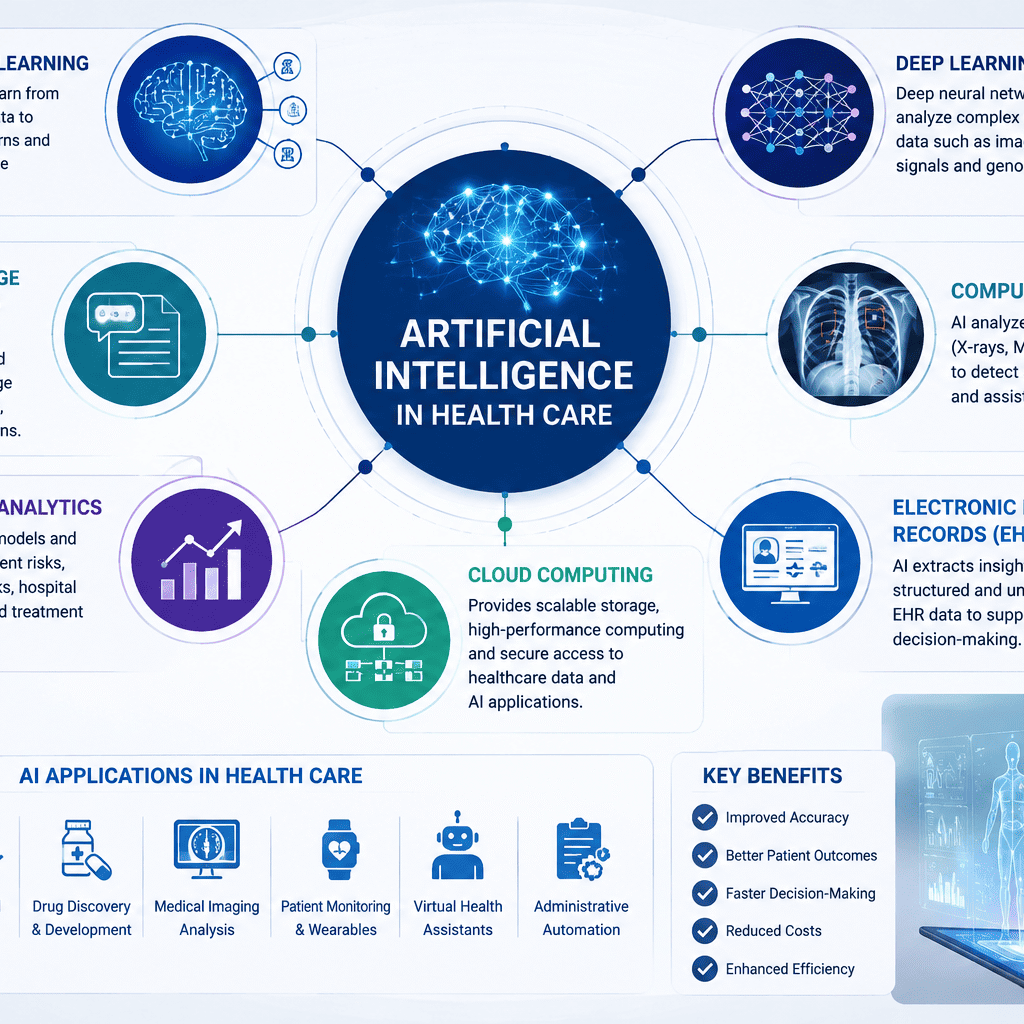
Artificial intelligence in healthcare refers to computer systems capable of performing tasks that normally require human intelligence. These tasks include learning from data, recognizing patterns, understanding language, predicting outcomes, and supporting medical decision-making.
AI combines several technologies, including:
- Machine Learning (ML)
- Deep Learning
- Natural Language Processing (NLP)
- Computer Vision
- Predictive Analytics
- Robotic Process Automation
- Generative AI
Together, these technologies enable healthcare organizations to transform raw medical data into actionable clinical insights.
Why AI Is Becoming Essential in Modern Health Care
Healthcare generates enormous volumes of data every day through:
- Electronic Health Records (EHRs)
- Medical imaging
- Laboratory reports
- Genomic sequencing
- Wearable devices
- Remote patient monitoring
- Clinical research
- Hospital management systems
Analyzing this information manually is time-consuming and increases the possibility of human error. AI processes millions of data points within seconds, helping clinicians identify trends, predict complications, and make informed decisions more efficiently.
As healthcare systems face growing patient populations, chronic diseases, and workforce shortages, AI offers scalable solutions that improve both clinical and administrative performance.
Major Benefits of AI in Health Care
1. Earlier and More Accurate Disease Diagnosis
One of the greatest benefits of AI in health care is its ability to detect diseases at earlier stages.
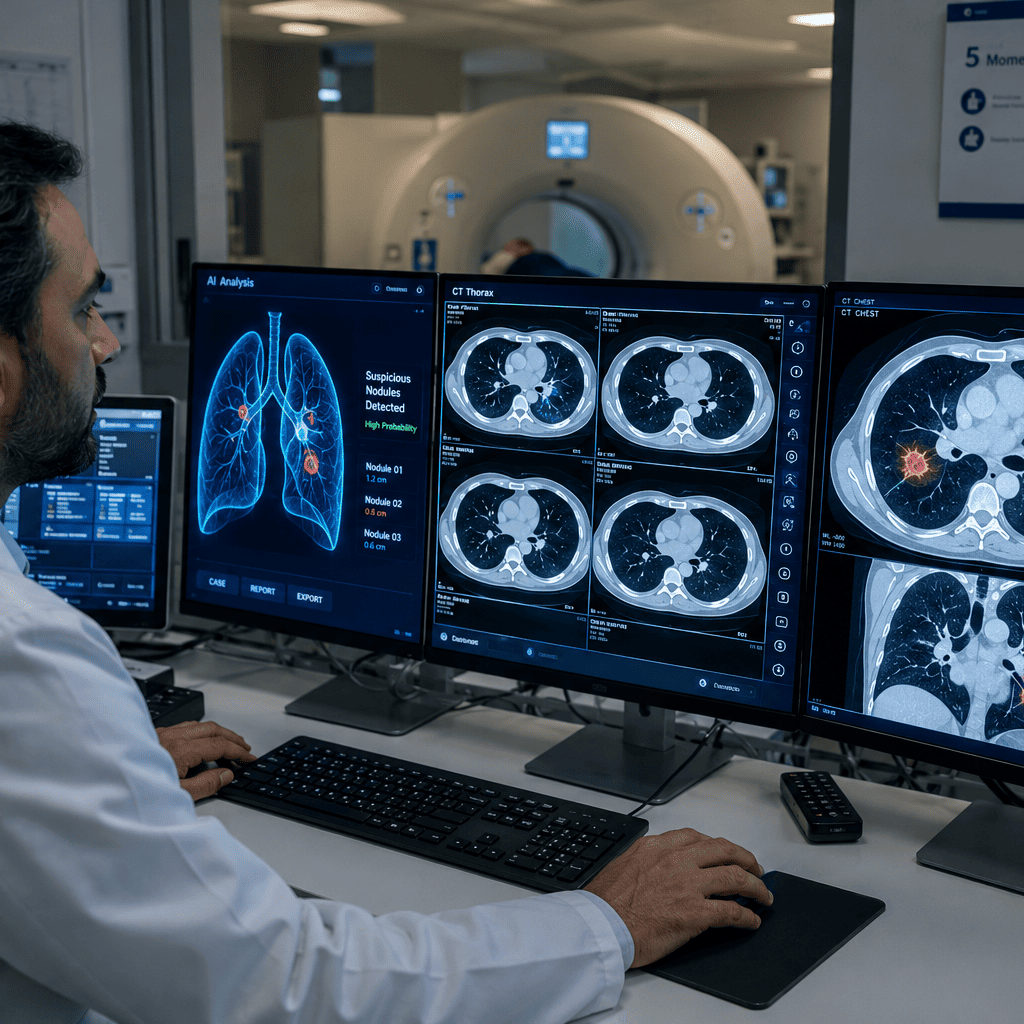
AI-powered computer vision systems analyze X-rays, CT scans, MRI scans, ultrasound images, retinal scans, and pathology slides to identify abnormalities with remarkable precision.
Early detection supports better treatment planning for conditions such as:
- Cancer
- Heart disease
- Stroke
- Diabetic retinopathy
- Alzheimer’s disease
- Lung diseases
Instead of replacing radiologists or pathologists, AI acts as a second reviewer, reducing missed findings and improving diagnostic confidence.
2. Personalized Treatment Plans
Every patient responds differently to treatment.
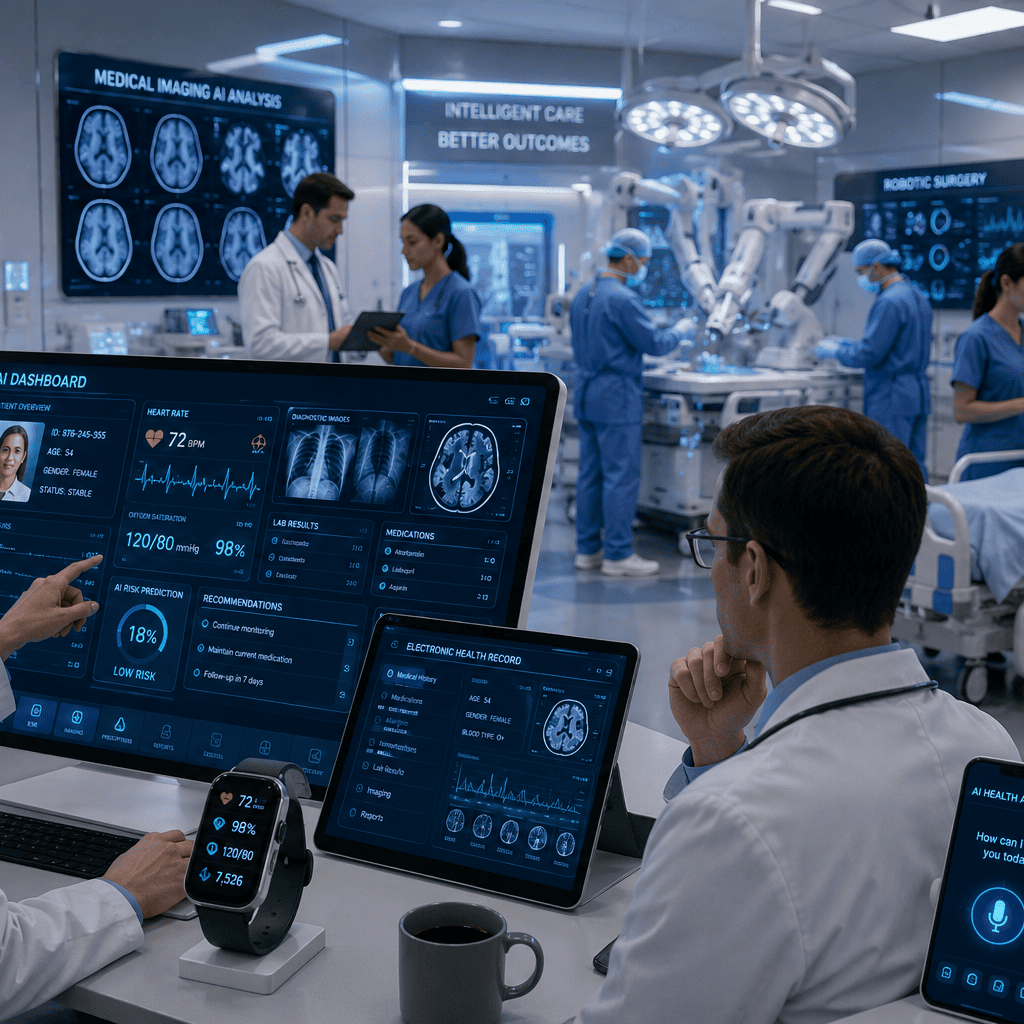
AI analyzes clinical history, genetics, lifestyle factors, medications, laboratory results, and imaging findings to recommend individualized treatment strategies.
Personalized medicine helps physicians:
- Select appropriate medications
- Predict treatment response
- Reduce adverse drug reactions
- Adjust therapies more effectively
- Improve long-term patient outcomes
This shift from generalized care toward precision medicine represents one of healthcare’s most significant advancements.
3. Faster Clinical Decision Support
Modern physicians must review vast amounts of medical information before making treatment decisions.
AI-powered Clinical Decision Support Systems (CDSS) rapidly evaluate:
- Symptoms
- Laboratory values
- Imaging reports
- Medical guidelines
- Previous diagnoses
- Drug interactions
The system then provides evidence-based recommendations that help clinicians make quicker and more informed decisions while maintaining human oversight.
4. Improved Medical Imaging Analysis
Medical imaging produces thousands of images every day.
AI helps radiologists by:
- Highlighting suspicious regions
- Measuring tumor size
- Detecting fractures
- Identifying internal bleeding
- Monitoring disease progression
- Comparing previous scans automatically
This significantly reduces reporting time while improving diagnostic consistency.
5. Better Patient Monitoring
Wearable devices and Internet of Medical Things (IoMT) sensors continuously collect health data such as:
- Heart rate
- Blood pressure
- Blood oxygen
- Glucose levels
- Sleep quality
- Physical activity
AI analyzes these real-time data streams and alerts healthcare professionals when abnormal patterns appear, allowing early intervention before conditions worsen.
Patients with chronic diseases such as diabetes, hypertension, and heart failure particularly benefit from continuous AI-assisted monitoring.
6. Transforming Diagnostic Laboratories
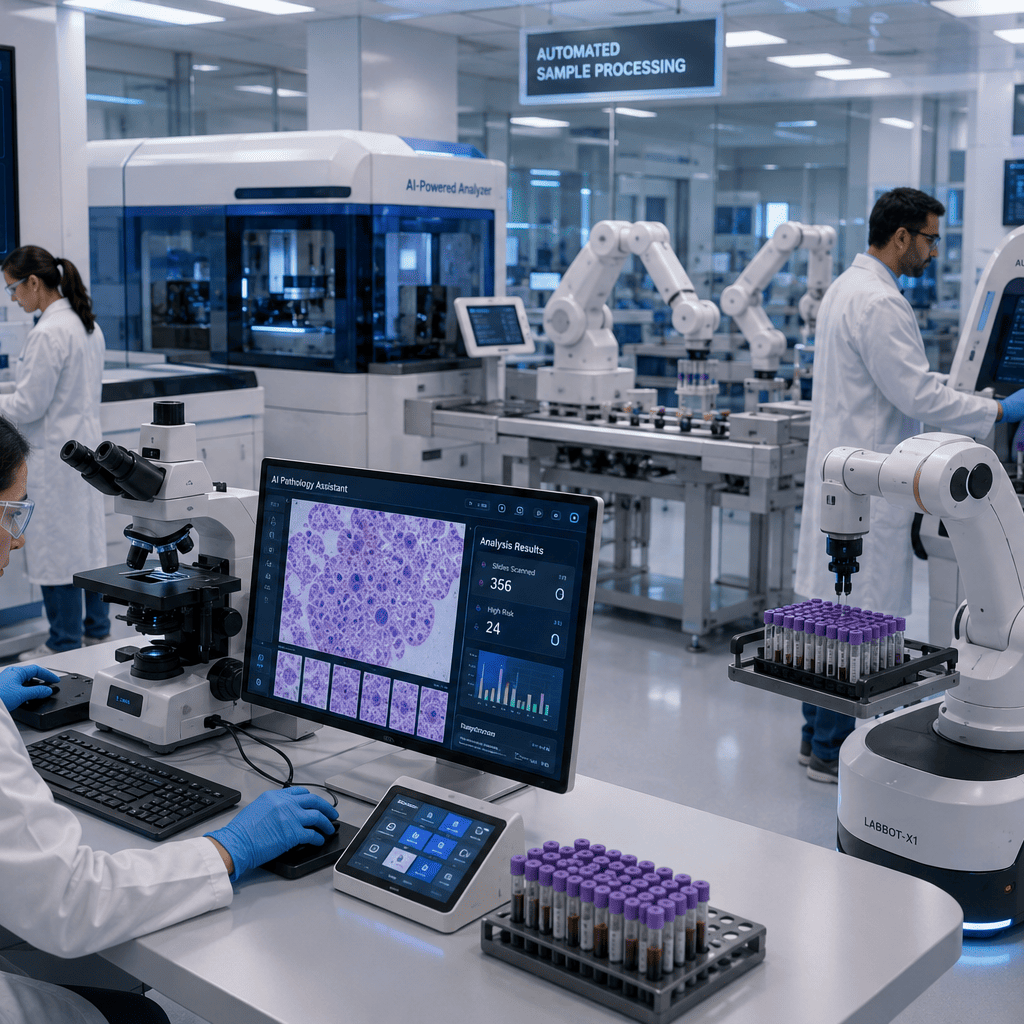
Diagnostic laboratories are among the biggest beneficiaries of artificial intelligence. Every day, laboratories process thousands of blood samples, tissue specimens, urine samples, and molecular tests. AI helps automate repetitive tasks while improving speed, accuracy, and consistency.
Modern health care AI tools assist laboratory professionals by:
- Detecting abnormal blood cells
- Identifying microorganisms
- Classifying tissue samples
- Supporting molecular diagnostics
- Improving quality control
- Reducing manual reporting errors
When integrated with Laboratory Information Systems (LIS), AI can prioritize urgent cases, validate routine test results, and streamline laboratory workflows. This enables laboratory professionals to spend more time reviewing complex cases rather than performing repetitive manual tasks
7. Advancing Drug Discovery and Development
Developing a new medicine traditionally requires years of research and billions of dollars in investment. AI significantly accelerates this process by analyzing biological data, chemical structures, and clinical trial results.
AI helps researchers:
- Identify promising drug candidates
- Predict drug-target interactions
- Optimize molecular structures
- Repurpose existing medications
- Reduce failed clinical trials
- Improve patient selection for research studies
This faster research cycle can shorten the time needed to bring life-saving treatments to patients.

8. Enhancing Robotic Surgery
AI-powered robotic surgical systems improve precision during minimally invasive procedures. These systems assist surgeons by providing enhanced visualization, greater dexterity, and improved control.
Benefits include:
- Smaller surgical incisions
- Reduced blood loss
- Lower risk of complications
- Shorter hospital stays
- Faster patient recovery
- Greater surgical precision
Although surgeons remain fully responsible for every procedure, AI provides valuable support that improves surgical outcomes.
9. Virtual Health Assistants and Chatbots
AI-powered virtual assistants have become increasingly common in healthcare. They provide patients with convenient access to health information and support outside traditional clinical settings.
These intelligent assistants can:
- Schedule appointments
- Answer common medical questions
- Send medication reminders
- Monitor symptoms
- Support mental health programs
- Guide patients through treatment plans
Virtual assistants also reduce the administrative workload for healthcare providers while improving patient engagement.
10. Predictive Analytics for Preventive Care
One of the most powerful benefits of AI in health care is predictive analytics.
Rather than waiting for disease to develop, AI analyzes historical and real-time health data to identify patients who may be at risk.
Predictive models can estimate the likelihood of:
- Heart attacks
- Stroke
- Diabetes complications
- Hospital readmission
- Sepsis
- Kidney disease progression
Early identification enables healthcare providers to intervene sooner, often preventing serious complications.
11. Improving Hospital Operations
AI is not limited to patient care. Hospitals also use AI to improve operational efficiency.
AI supports:
- Staff scheduling
- Bed management
- Emergency department triage
- Resource allocation
- Supply chain management
- Inventory forecasting
- Billing automation
- Revenue cycle management
These improvements reduce operational costs while allowing healthcare professionals to focus more on patient care.
Challenges and Risks of AI in Health Care
Despite its advantages, AI also presents several challenges.
Data Privacy and Security
Healthcare organizations manage highly sensitive patient information. Protecting this data from cyber threats and unauthorized access remains a top priority.
Strong cybersecurity measures, encryption, and regulatory compliance are essential.
Algorithm Bias
AI systems learn from historical data. If the training data lack diversity or contain bias, AI recommendations may not perform equally well across different populations.
Developing fair, transparent, and representative AI models is critical for equitable healthcare.
Regulatory Compliance
Healthcare AI solutions must comply with national and international regulations before being used in clinical practice.
Continuous validation, quality assurance, and clinical oversight ensure AI remains safe and effective.
Human Oversight
AI should support clinical decision-making rather than replace healthcare professionals.
Doctors, nurses, radiologists, pharmacists, laboratory scientists, and other clinicians must always evaluate AI recommendations within the broader clinical context.
Best Practices for Implementing Health Care AI Tools
Organizations adopting AI should follow several best practices:
- Maintain high-quality clinical data.
- Validate AI models before deployment.
- Continuously monitor system performance.
- Protect patient privacy and confidentiality.
- Train healthcare professionals to use AI effectively.
- Promote transparency and explainability.
- Integrate AI into existing clinical workflows.
- Keep humans involved in final decision-making.
Responsible implementation builds trust among healthcare providers and patients while maximizing the long-term value of AI.
The Future of AI in Health Care
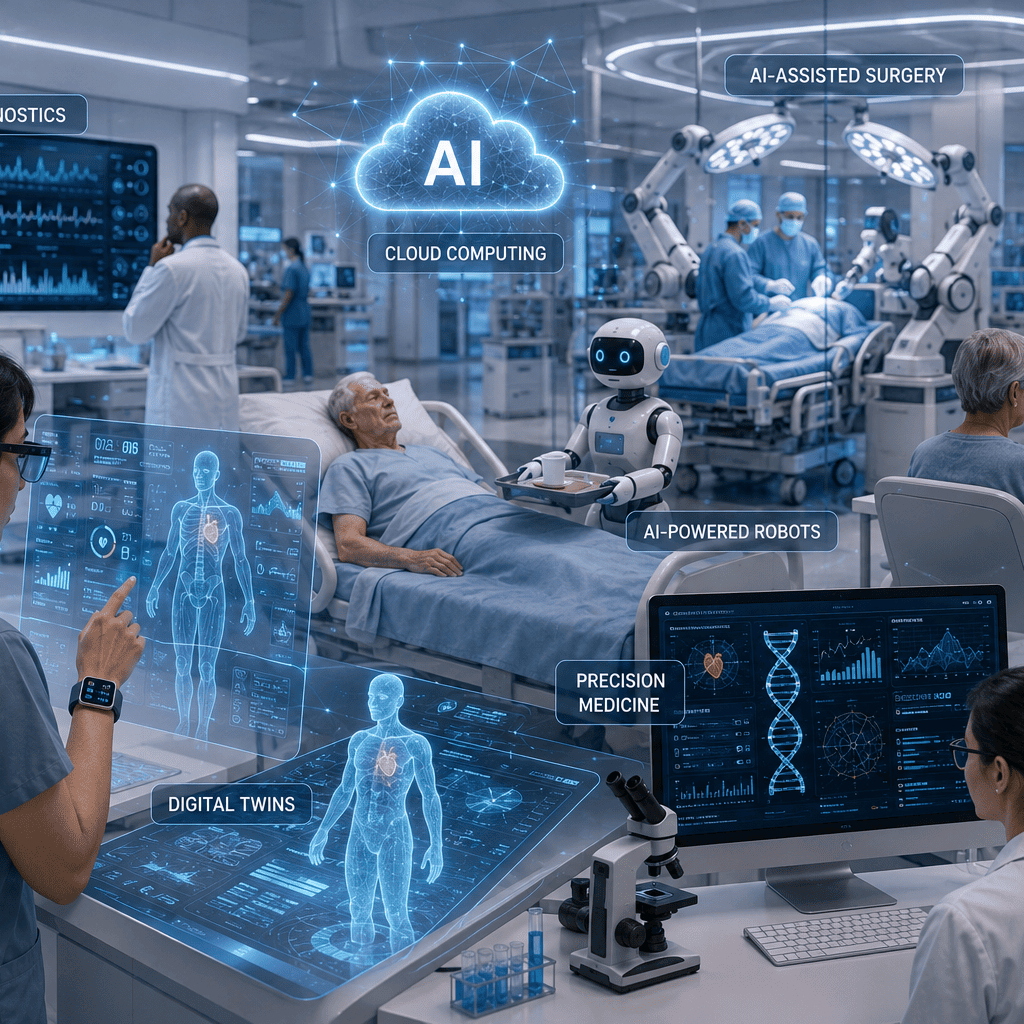
The future of healthcare will be shaped by closer collaboration between artificial intelligence and medical professionals rather than by AI replacing clinicians. As computing power, cloud technology, and medical data continue to grow, AI systems will become more accurate, transparent, and capable of supporting complex clinical decisions.
Several emerging technologies will drive the next generation of healthcare innovation:
- Generative AI for creating clinical documentation and summarizing patient records.
- Digital twins that simulate a patient’s condition to predict treatment outcomes.
- Precision medicine that combines genomic data, lifestyle factors, and clinical history to personalize care.
- Remote patient monitoring using wearable devices connected to AI-powered analytics.
- Predictive public health systems that identify disease outbreaks and monitor population health trends.
- Federated learning, which enables AI models to learn from multiple healthcare organizations without exposing sensitive patient data.
As these innovations mature, AI will support earlier disease prevention, improve healthcare accessibility in underserved regions, and enable more efficient use of medical resources worldwide.
The Relationship Between AI, Healthcare Professionals, and Patients
Artificial intelligence works best when it complements human expertise.
Healthcare professionals contribute clinical judgment, empathy, ethical decision-making, and communication skills that AI cannot replicate. Meanwhile, AI excels at processing large datasets, identifying hidden patterns, and providing evidence-based recommendations.
Patients also play an important role by sharing accurate health information, participating in remote monitoring programs, and understanding how AI supports, rather than replaces, medical care.
A collaborative model involving patients, clinicians, researchers, and AI technologies creates a stronger healthcare ecosystem focused on better outcomes and safer care.
Conclusion
The benefits of AI in health care extend far beyond automation. Artificial intelligence is transforming the entire healthcare ecosystem by improving diagnostic accuracy, supporting personalized medicine, accelerating drug discovery, enhancing medical imaging, optimizing laboratory services, strengthening hospital operations, and expanding access to care through intelligent digital solutions.
Modern health care AI tools help healthcare professionals make faster, more informed decisions while reducing administrative burden and improving patient safety. However, successful implementation depends on high-quality data, strong cybersecurity, ethical AI development, regulatory compliance, and continuous human oversight.
As healthcare continues to evolve, organizations that responsibly integrate AI into clinical practice will be better positioned to deliver efficient, patient-centered, and evidence-based care. Rather than replacing medical expertise, AI empowers healthcare teams to focus on what matters most: improving patient health and quality of life.
Frequently Asked Questions (FAQs)
1. What are the main benefits of AI in health care?
AI improves diagnostic accuracy, enables personalized treatment, enhances medical imaging, supports clinical decision-making, automates administrative tasks, accelerates drug discovery, and improves patient monitoring through real-time data analysis.
Health care AI tools analyze large volumes of medical data to detect diseases earlier, identify health risks, recommend treatment options, monitor chronic conditions, and provide clinical decision support. This helps healthcare professionals deliver faster and more accurate care.
No. AI is designed to assist healthcare professionals, not replace them. Doctors, nurses, laboratory scientists, and other clinicians provide critical judgment, empathy, and ethical decision-making that AI cannot replicate.
AI has applications across many specialties, including radiology, pathology, cardiology, oncology, dermatology, ophthalmology, emergency medicine, pharmacy, intensive care, and medical laboratory services
Key challenges include protecting patient privacy, preventing algorithm bias, ensuring regulatory compliance, maintaining cybersecurity, integrating AI into existing workflows, and preserving human oversight in clinical decisions.
AI analyzes historical and real-time patient data to identify individuals at risk of developing diseases. This allows healthcare providers to intervene earlier with screenings, lifestyle recommendations, or treatment plans before serious complications occur.
Yes. AI accelerates medical research by analyzing clinical datasets, identifying potential drug candidates, predicting treatment responses, optimizing clinical trials, and supporting precision medicine initiatives.
The future includes greater use of generative AI, predictive analytics, precision medicine, wearable health technologies, robotic surgery, digital twins, and intelligent decision-support systems. These innovations will improve healthcare efficiency while supporting better patient outcomes through collaboration between AI and healthcare professionals