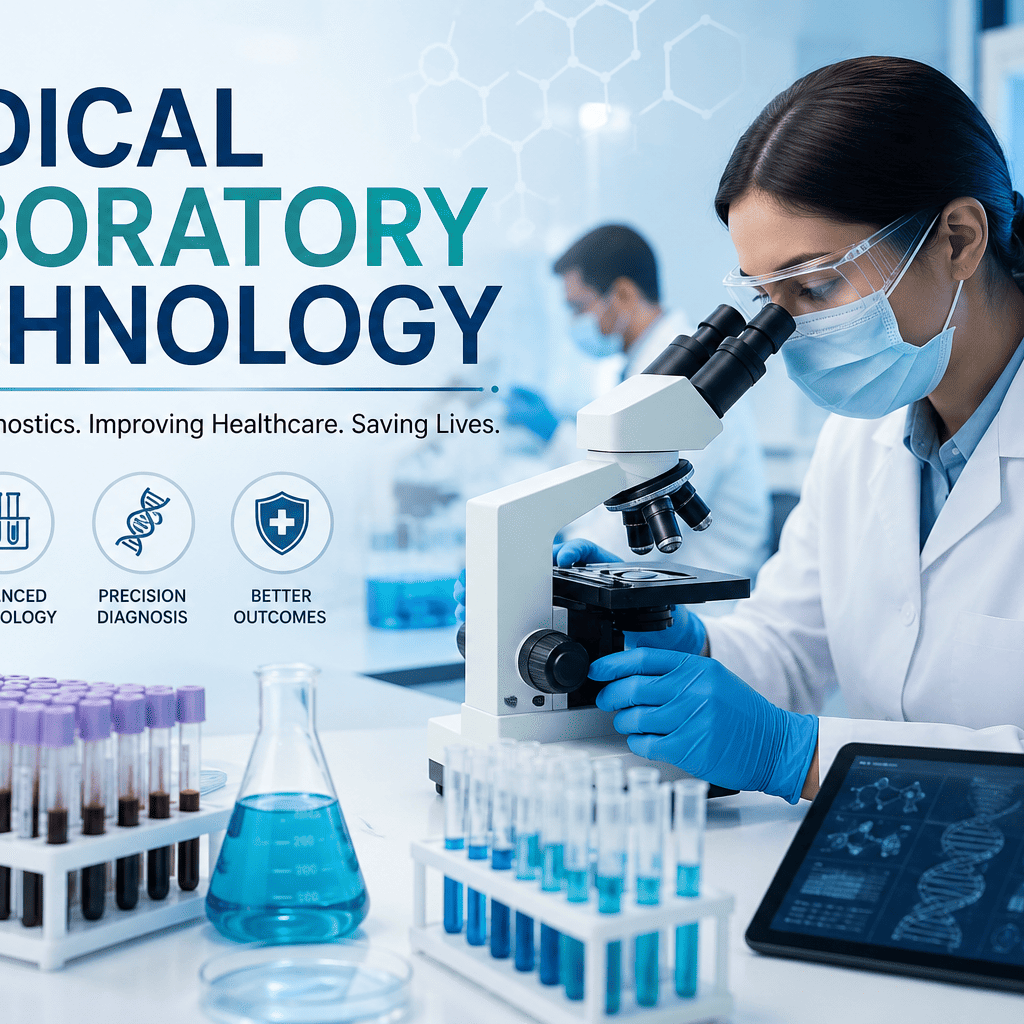

Healthcare decisions rely heavily on accurate diagnostic information. Before physicians prescribe treatment, monitor disease progression, or evaluate patient outcomes, they need reliable clinical data. This is where medical laboratory technology plays a critical role.
Medical laboratory technology forms the backbone of modern healthcare by supporting disease detection, diagnosis, treatment planning, and preventive care. From routine blood tests and microbiological cultures to advanced molecular diagnostics and genetic testing, laboratory professionals provide essential information that influences nearly every aspect of patient care.
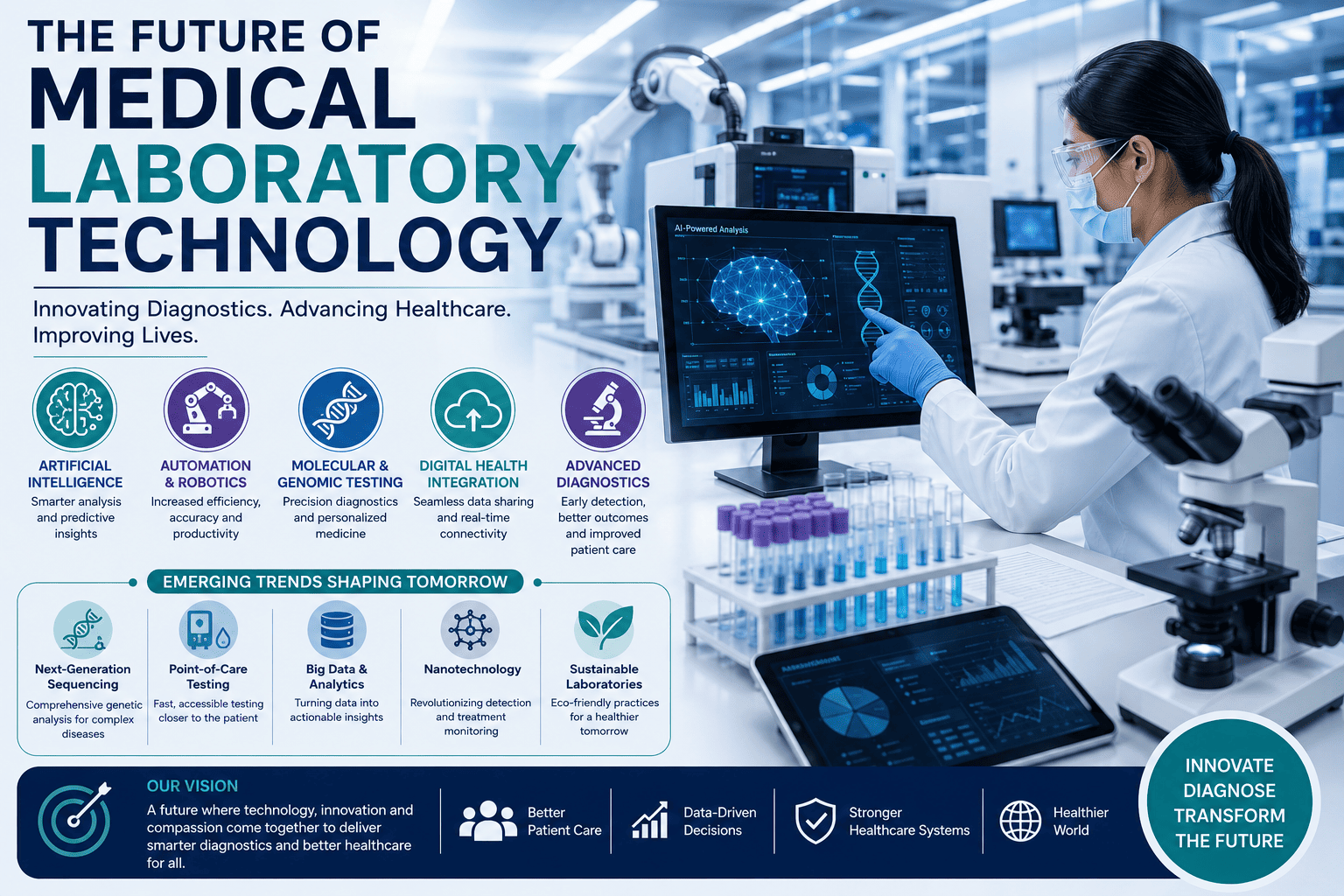
As healthcare becomes increasingly data-driven, laboratory science continues to evolve through automation, artificial intelligence, digital pathology, and precision medicine. Understanding medical laboratory technology helps reveal how diagnostic systems, pathology testing methods, and laboratory workflows contribute to better health outcomes worldwide.
What Is Medical Laboratory Technology?
Medical laboratory technology is the branch of healthcare that uses scientific methods, laboratory instruments, and analytical techniques to examine biological samples and generate diagnostic information.
Laboratory professionals analyze specimens such as:
- Blood
- Urine
- Tissue samples
- Saliva
- Cerebrospinal fluid
- Microbial cultures
- Genetic material
The primary objective is to identify diseases, monitor health conditions, evaluate treatment effectiveness, and support clinical decision-making.
Medical laboratory technology combines biology, chemistry, microbiology, immunology, hematology, molecular diagnostics, and pathology into a coordinated diagnostic system.
Without laboratory testing, many diseases would remain undetected until symptoms become severe.
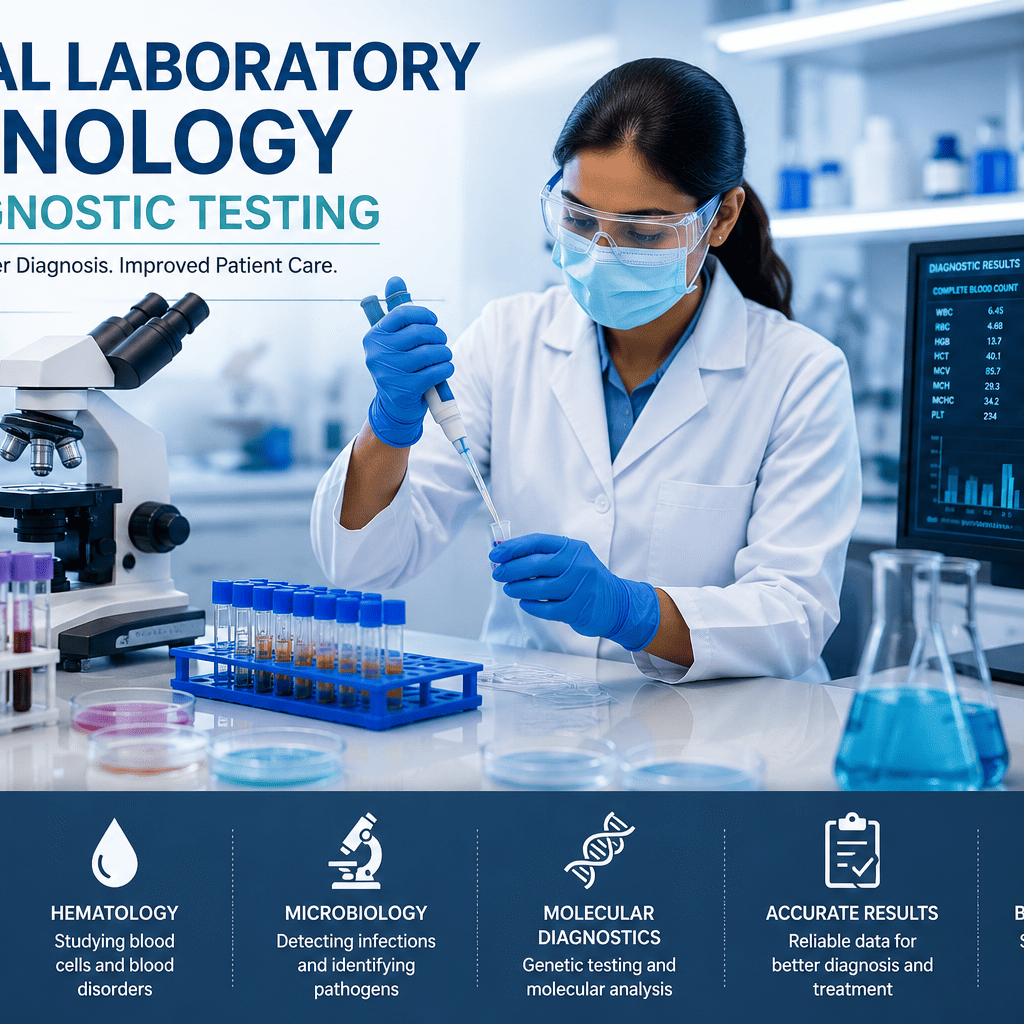
Why Medical Laboratory Technology Matters
Modern healthcare depends on evidence-based decisions.
Laboratory testing provides objective clinical data that helps healthcare providers:
- Diagnose diseases
- Assess disease severity
- Monitor treatment response
- Detect infections
- Screen populations
- Support preventive medicine
Research consistently shows that a large percentage of medical decisions are influenced by laboratory test results.
Laboratory data connects symptoms, clinical observations, imaging studies, and treatment planning into a complete patient assessment.
This relationship makes medical laboratory technology one of the most important components of healthcare infrastructure.
How Medical Laboratory Technology Works
Medical laboratory testing follows a structured process designed to ensure accuracy, reliability, and patient safety.
Sample Collection
The process begins with specimen collection.
Examples include:
- Blood draws
- Urine collection
- Tissue biopsy samples
- Swab specimens
- Body fluid collection
Proper collection techniques are essential because sample quality directly affects results.
Sample Preparation
Before testing, specimens may require:
- Centrifugation
- Staining
- Separation
- Preservation
- Labeling
Preparation ensures that laboratory instruments can analyze samples accurately.
Analytical Testing
Laboratory instruments perform detailed testing using specialized methodologies.
Examples include:
- Chemical analysis
- Cell counting
- Microbial identification
- Antibody detection
- DNA sequencing
Modern analyzers process large volumes of samples while maintaining consistency.
Result Interpretation
Laboratory scientists evaluate findings and verify data quality.
Results are then reported to healthcare providers.
Interpretation often involves reference ranges, biomarkers, and clinical context.
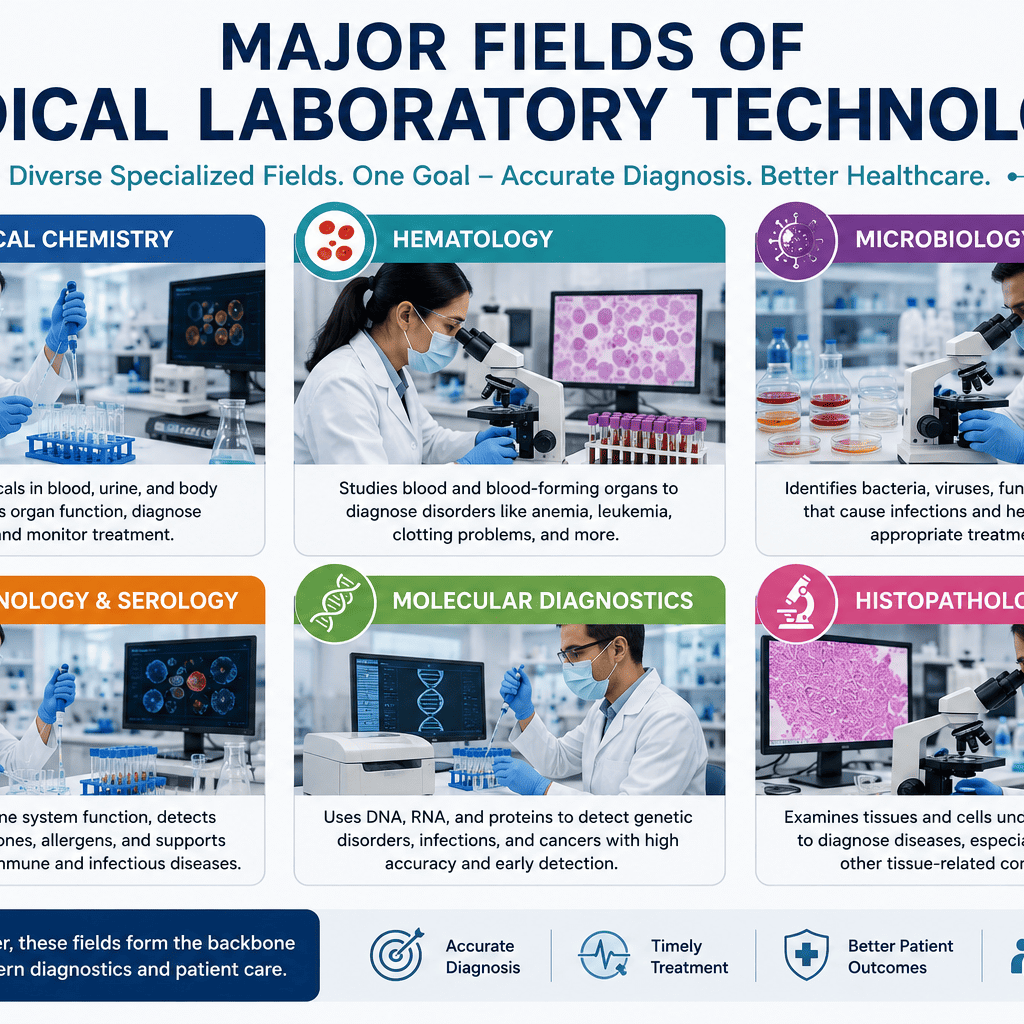
Major Areas of Medical Laboratory Technology
Medical laboratory science consists of multiple specialized disciplines.
Clinical Chemistry
Clinical chemistry focuses on analyzing chemical substances in body fluids.
Common tests include:
- Blood glucose
- Cholesterol
- Electrolytes
- Liver function tests
- Kidney function tests
These measurements help assess organ performance and metabolic health.
Hematology
Hematology studies blood and blood-forming tissues.
Laboratory professionals evaluate:
- Red blood cells
- White blood cells
- Platelets
- Hemoglobin levels
- Coagulation factors
Hematology testing helps diagnose anemia, blood disorders, clotting abnormalities, and leukemia.
Microbiology
Microbiology examines microorganisms that cause disease.
Laboratories identify:
- Bacteria
- Viruses
- Fungi
- Parasites
Diagnostic methods include:
- Culture testing
- Microscopy
- Molecular diagnostics
- Antimicrobial susceptibility testing
Microbiology plays a crucial role in infection control and public health.
Immunology and Serology
These disciplines study immune system activity.
Testing may detect:
- Antibodies
- Autoimmune conditions
- Allergic responses
- Infectious disease markers
Immunological testing supports diagnosis and disease monitoring.
Molecular Diagnostics
Molecular testing analyzes genetic and molecular information.
Applications include:
- Cancer diagnostics
- Infectious disease detection
- Genetic disorder screening
- Precision medicine
Techniques such as polymerase chain reaction (PCR) and next-generation sequencing have transformed modern diagnostics.
Histopathology
Histopathology involves examining tissue samples under a microscope.
Pathologists evaluate:
- Cellular structure
- Tissue architecture
- Disease progression
- Tumor characteristics
Histopathology remains a cornerstone of cancer diagnosis.
Understanding Pathology Testing Methods
Pathology testing methods help identify structural, cellular, and molecular abnormalities associated with disease.
These methods connect laboratory findings with clinical diagnosis.
Microscopic Examination
Pathologists analyze stained tissue sections to identify abnormal cellular changes.
This method is widely used in oncology and disease diagnosis.
Cytology
Cytology focuses on individual cells rather than whole tissue structures.
Examples include:
- Pap smear testing
- Fine needle aspiration
- Fluid cytology
Cytological analysis supports early disease detection.
Biopsy Analysis
A biopsy involves removing tissue for detailed examination.
Biopsy testing helps determine:
- Cancer presence
- Disease stage
- Tissue abnormalities
- Treatment options
Biopsy interpretation often guides therapeutic decisions.
Molecular Pathology
Molecular pathology combines pathology with genetics and molecular biology.
It identifies biomarkers that support personalized treatment strategies.
This approach is increasingly important in precision oncology.
Medical Laboratory Technology and Disease Diagnosis
Laboratory testing contributes to the diagnosis of numerous conditions.
Infectious Diseases
Laboratory diagnostics identify pathogens responsible for infections.
Examples include:
- Influenza
- Tuberculosis
- COVID-19
- Hepatitis
- HIV
Early identification improves treatment outcomes and disease control.
Cancer Detection
Cancer diagnosis often depends on pathology and molecular testing.
Laboratory technologies help identify:
- Tumor markers
- Genetic mutations
- Disease progression
- Treatment response indicators
Cardiovascular Diseases
Laboratory testing evaluates biomarkers such as:
- Troponin
- Cholesterol
- Lipoproteins
- Inflammatory markers
These measurements support cardiovascular risk assessment.
Metabolic Disorders
Laboratories monitor conditions such as:
- Diabetes
- Thyroid disorders
- Kidney disease
- Liver disease
Routine testing helps manage chronic health conditions.
The Role of Automation in Modern Laboratories
Laboratory automation has transformed diagnostic efficiency.
Automated systems perform:
- Sample sorting
- Testing workflows
- Quality checks
- Data reporting
Benefits include:
- Faster turnaround times
- Reduced human error
- Improved consistency
- Increased productivity
Automation allows laboratories to manage growing testing volumes without compromising quality.
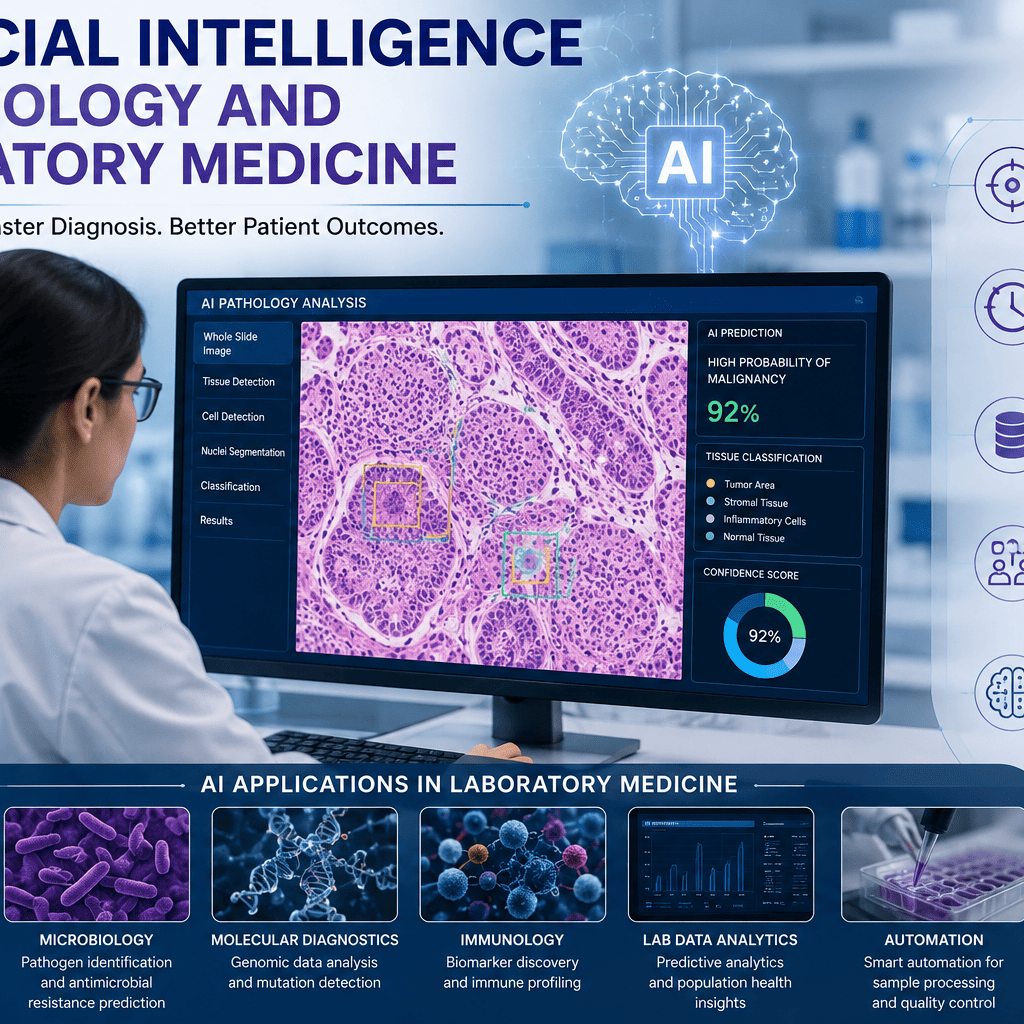
Artificial Intelligence and Digital Pathology
Artificial intelligence is increasingly integrated into laboratory medicine.
AI applications include:
- Image analysis
- Pattern recognition
- Workflow optimization
- Predictive diagnostics
Digital pathology enables slide scanning and remote interpretation.
These technologies improve collaboration and diagnostic accuracy.
AI does not replace laboratory professionals but enhances efficiency and analytical capability.
Quality Control and Laboratory Accuracy
Accurate testing requires strict quality management.
Laboratories implement:
- Calibration procedures
- Internal quality control
- External proficiency testing
- Standard operating procedures
Quality assurance ensures reliable and reproducible results.
Patient safety depends heavily on laboratory accuracy.
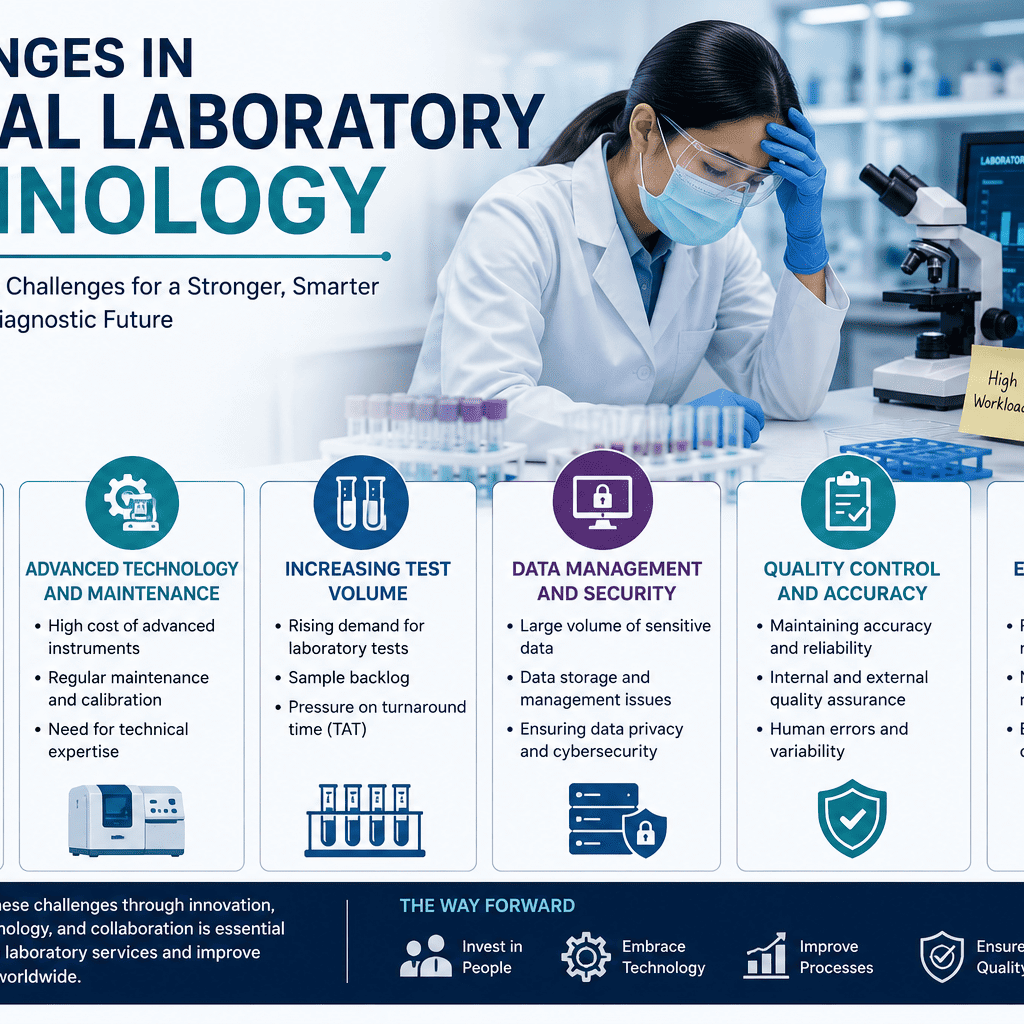
Challenges Facing Medical Laboratory Technology
Despite technological advances, laboratories face several challenges.
Increasing Testing Demand
Growing healthcare needs require higher testing capacity.
Workforce Shortages
Many healthcare systems experience shortages of qualified laboratory professionals.
Data Management Complexity
Digital laboratories generate large volumes of information that require secure management.
Emerging Diseases
New pathogens require rapid development of diagnostic methods.
Addressing these challenges is essential for maintaining effective healthcare services.
Best Practices in Laboratory Medicine
To ensure optimal performance, laboratories should:
- Maintain rigorous quality control programs.
- Invest in staff training and education.
- Adopt evidence-based testing protocols.
- Utilize laboratory automation appropriately.
- Ensure regulatory compliance.
- Protect patient data and privacy.
- Continuously evaluate diagnostic accuracy.
These practices strengthen healthcare outcomes and patient trust.
Frequently Asked Questions
Medical laboratory technology is the healthcare discipline that analyzes biological specimens to support disease diagnosis, treatment, and monitoring
Pathology testing methods are laboratory techniques used to examine tissues, cells, and biological samples for signs of disease.
Laboratory testing provides objective diagnostic information that guides medical decisions and treatment planning.
Molecular diagnostics analyzes DNA, RNA, proteins, and biomarkers to identify diseases and support personalized treatment.
Automation improves efficiency, reduces errors, and increases testing capacity.
Digital pathology allows image-based analysis, remote consultation, and AI-assisted interpretation.
Laboratory testing can detect infectious diseases, cancer, cardiovascular disorders, metabolic conditions, autoimmune diseases, and genetic abnormalities.
Conclusion
Medical laboratory technology serves as the foundation of modern diagnostics, connecting scientific analysis with clinical care. Through disciplines such as clinical chemistry, hematology, microbiology, molecular diagnostics, and pathology, laboratory professionals generate the critical information needed for accurate diagnosis and effective treatment.
Pathology testing methods further strengthen healthcare by providing detailed insights into cellular, tissue, and molecular changes associated with disease. As automation, artificial intelligence, digital pathology, and precision medicine continue to advance, medical laboratory technology will play an even greater role in improving healthcare quality, accelerating diagnosis, and supporting better patient outcomes worldwide.
The future of healthcare depends not only on treatment innovation but also on the continued evolution of laboratory science that makes informed medical decisions possible.