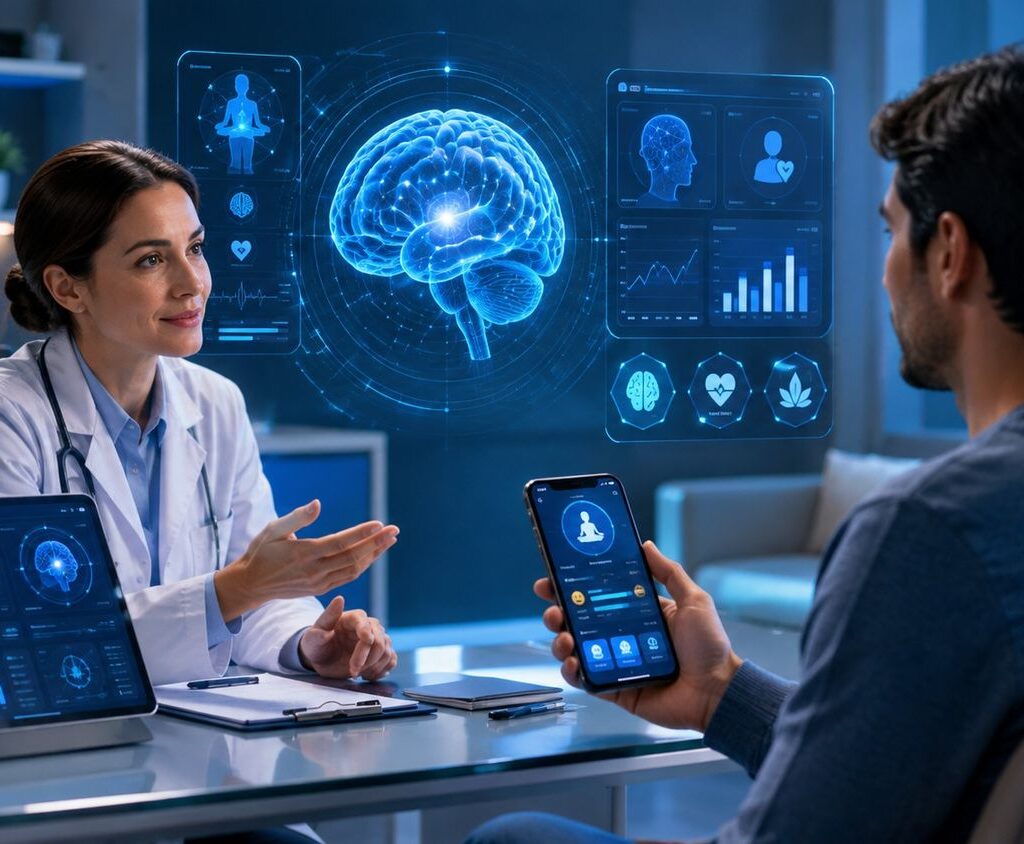

Mental health disorders are among the leading causes of disability worldwide, yet millions of people still struggle to access timely, effective care. Long waiting lists, shortages of mental health professionals, treatment costs, and social stigma continue to prevent many individuals from receiving the support they need.
This challenge has accelerated the development of digital therapeutics for mental health, an emerging category of evidence-based software designed to prevent, manage, or treat psychiatric conditions. Unlike ordinary wellness or meditation apps, digital therapeutics (DTx) undergo clinical validation and, in many cases, regulatory review to demonstrate safety and effectiveness.
Among their most promising applications is digital therapeutics for depression, where software-based interventions are helping patients complement traditional treatments such as psychotherapy and antidepressant medications. As healthcare increasingly embraces Software as a Medical Device (SaMD), digital therapeutics are becoming an important component of modern behavioral healthcare. (PubMed Central (PMC))
What Are Digital Therapeutics for Mental Health?

Digital therapeutics are software-driven medical interventions that deliver clinically validated treatments for specific diseases or disorders. Their purpose is not simply to educate or track symptoms but to produce measurable therapeutic outcomes.
In mental healthcare, digital therapeutics may be delivered through:
- Smartphone applications
- Tablet-based treatment platforms
- Web-based therapy programs
- Connected wearable devices
- Digital cognitive training systems
Many digital therapeutics are built upon established psychological interventions such as:
- Cognitive Behavioral Therapy (CBT)
- Behavioral activation
- Mindfulness-based interventions
- Cognitive restructuring
- Exposure therapy
- Psychoeducation
- Motivational interviewing
These interventions are translated into interactive digital experiences that patients can use between or alongside clinical visits. (SAMHSA)
How Digital Therapeutics Differ from Mental Health Apps
The app stores contain thousands of mental health applications, but only a small percentage qualify as digital therapeutics.
A general wellness app may offer:
- Meditation sessions
- Mood tracking
- Sleep sounds
- Journaling
- Breathing exercises
Digital therapeutics, however, must demonstrate clinical benefit through scientific research. Many are evaluated in randomized controlled trials and some receive authorization as regulated medical devices when they make therapeutic claims. (PubMed Central (PMC))
Key characteristics include:
- Clinical evidence
- Defined therapeutic protocol
- Medical supervision when appropriate
- Outcome measurement
- Security and privacy standards
- Integration into healthcare delivery
Why Mental Health Needs Digital Therapeutics
Demand for mental health services continues to outpace available resources.
Common barriers include:
- Limited access to psychiatrists and psychologists
- Geographic disparities
- High treatment costs
- Long appointment wait times
- Stigma surrounding therapy
- Poor treatment adherence
Digital therapeutics help bridge these gaps by making evidence-based care available remotely while supporting ongoing patient engagement.
Instead of replacing clinicians, they extend the reach of healthcare professionals by providing structured interventions between appointments. (SAMHSA)
Digital Therapeutics for Depression

Major depressive disorder (MDD) affects millions of adults worldwide and often requires long-term management.
Digital therapeutics for depression are designed to complement existing treatment plans rather than replace professional care.
These software-based treatments commonly focus on:
- Negative thinking patterns
- Behavioral activation
- Emotional regulation
- Daily symptom monitoring
- Treatment adherence
- Self-management skills
- Relapse prevention
Some prescription digital therapeutics also include clinician dashboards that allow healthcare providers to monitor patient progress remotely.
Recent FDA-authorized products include prescription software intended for adults with major depressive disorder as an adjunct to clinician-directed care, illustrating the growing maturity of this field. (PubMed Central (PMC))
How Digital Therapeutics Work

Although each platform differs, most follow a structured therapeutic pathway.
1. Initial Assessment
Patients complete questionnaires assessing:
- Depression severity
- Anxiety symptoms
- Sleep quality
- Daily functioning
- Risk factors
Validated clinical scales such as PHQ-9 may be incorporated.
2. Personalized Treatment
Algorithms adapt lessons based on individual needs.
Treatment modules often include:
- CBT exercises
- Mood diaries
- Goal setting
- Thought restructuring
- Behavioral activation tasks
3. Daily Engagement
Patients complete brief sessions lasting several minutes each day.
Regular engagement helps reinforce healthy coping strategies.
4. Progress Monitoring
The software tracks:
- Symptom improvement
- Completion rates
- Mood trends
- Sleep patterns
- Functional recovery
5. Clinician Integration
Many prescription digital therapeutics enable clinicians to review progress and adjust treatment plans when necessary.
Technologies Behind Digital Therapeutics
Modern digital therapeutics combine multiple technologies.
These may include:
- Artificial intelligence
- Machine learning
- Natural language processing
- Cloud computing
- Secure electronic health record integration
- Mobile health (mHealth)
- Wearable sensor connectivity
- Remote patient monitoring
Some platforms use AI to personalize therapy schedules, identify declining engagement, or recommend interventions while maintaining clinician oversight. (U.S. Food and Drug Administration)
Clinical Benefits
Growing research suggests several advantages.

Improved Accessibility
Patients can receive therapy regardless of location.
This benefits:
- Rural communities
- Individuals with mobility limitations
- People unable to attend regular appointments
Better Treatment Adherence
Interactive reminders and structured programs encourage consistent participation.
Personalized Care
Adaptive algorithms tailor interventions to each patient’s progress.
Continuous Monitoring
Unlike occasional clinic visits, digital therapeutics collect ongoing data that may identify symptom changes earlier.
Reduced Healthcare Burden
Digital interventions may help clinicians manage larger patient populations while maintaining quality care. (SAMHSA)
Potential Limitations
Digital therapeutics are promising but not appropriate for every situation.
Challenges include:
- Limited digital literacy
- Unequal internet access
- Variable patient engagement
- Privacy concerns
- Insurance reimbursement differences
- Need for long-term clinical evidence
Severe psychiatric emergencies, including suicidal crises or acute psychosis, require immediate professional intervention rather than standalone digital treatment.
Additionally, evidence quality varies across products, making independent evaluation important. (PubMed)
Digital Therapeutics vs Traditional Therapy
Traditional psychotherapy offers:
- Human empathy
- Complex clinical judgment
- Flexible conversations
- Crisis management
Digital therapeutics offer:
- 24/7 accessibility
- Structured interventions
- Consistent treatment delivery
- Progress tracking
- Lower barriers to care
The strongest outcomes often occur when digital therapeutics are integrated into a broader care plan that includes licensed mental health professionals.
Regulation and Safety
Because digital therapeutics make medical claims, many are regulated differently from wellness applications.
In the United States, qualifying software may undergo review by the FDA under medical device pathways such as De Novo classification or 510(k) clearance, depending on the product and intended use.
Healthcare providers should understand that regulatory authorization does not automatically imply equal levels of supporting evidence across all products, so reviewing clinical trial data remains important. (PubMed Central (PMC))
Privacy and Data Security
Mental health information is highly sensitive.
Responsible digital therapeutic platforms typically implement:
- Data encryption
- Secure cloud infrastructure
- User authentication
- Access controls
- Regulatory compliance
- Transparent privacy policies
Protecting patient confidentiality is essential for maintaining trust and encouraging adoption.
The Future of Digital Therapeutics for Mental Health

The next generation of digital therapeutics is expected to become increasingly intelligent and personalized.
Future innovations may include:
- AI-assisted treatment recommendations
- Predictive relapse detection
- Passive behavioral monitoring
- Voice and speech analysis
- Integration with wearable biosensors
- Virtual reality therapy
- Precision psychiatry
- Digital biomarkers
As research advances, digital therapeutics are likely to become more integrated with electronic health records, telepsychiatry, and collaborative care models. (U.S. Food and Drug Administration)
Frequently Asked Questions
No. Digital therapeutics are evidence-based software interventions developed to treat specific medical conditions, whereas most mental health apps focus on wellness or self-help without clinical validation.
Generally, no. Most digital therapeutics are intended to complement professional care rather than replace licensed mental health providers.
Clinical studies show encouraging improvements in depressive symptoms for certain products, particularly those based on cognitive behavioral therapy. However, effectiveness varies by product, patient population, and adherence. (PubMed Central (PMC))
Yes. Some prescription digital therapeutics are authorized by regulatory agencies such as the FDA after review of safety and effectiveness for their intended use. (PubMed Central (PMC))
People with mild to moderate mental health conditions, those living in underserved areas, and patients requiring additional support between clinical visits may benefit the most.
Many programs include long-term monitoring, behavioral reinforcement, and relapse prevention strategies designed to support sustained recovery.
Conclusion
Digital therapeutics for mental health represent a significant evolution in behavioral healthcare by combining clinical science with digital innovation. Unlike general wellness apps, these evidence-based software interventions deliver structured therapeutic programs that can improve access, enhance treatment adherence, and support long-term mental health management.
For individuals living with depression, digital therapeutics provide an additional layer of care through cognitive behavioral therapy, symptom monitoring, personalized treatment pathways, and clinician collaboration. While they are not a replacement for comprehensive psychiatric care, they are becoming valuable tools within integrated healthcare systems.
As artificial intelligence, remote monitoring, and Software as a Medical Device continue to mature, digital therapeutics for depression and other mental health conditions are expected to play an increasingly important role in delivering accessible, personalized, and evidence-based care for patients worldwide. (PubMed Central (PMC))