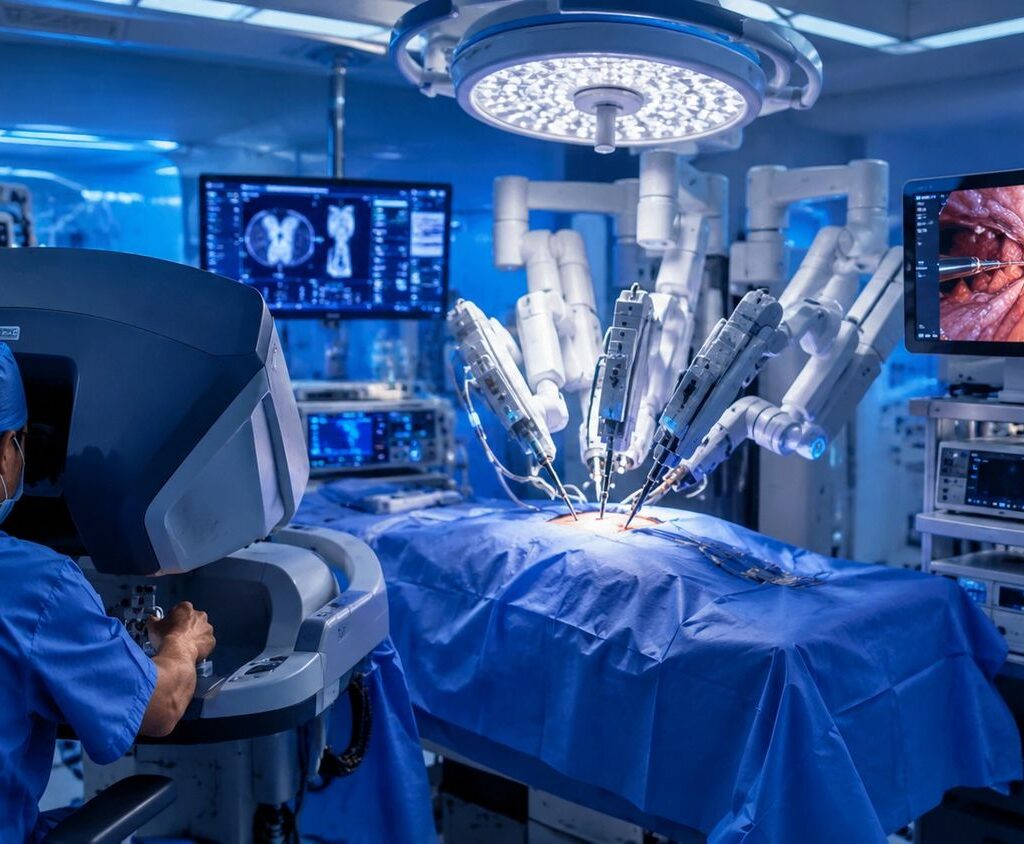

Modern medicine has changed dramatically over the last few decades, and one of the most significant innovations is the Da Vinci Surgical System. This advanced robotic surgery platform has transformed how surgeons perform complex procedures by combining robotic precision with human expertise. Rather than replacing surgeons, the system enhances their capabilities, allowing for greater accuracy, improved visualization, and more controlled movements during minimally invasive operations.
As healthcare providers continue to adopt robotic-assisted surgery, patients are becoming more aware of its potential benefits and limitations. Understanding how the Da Vinci Surgical System works, where it is used, and what outcomes patients can expect is essential for making informed healthcare decisions.
What Is the Da Vinci Surgical System?
The Da Vinci Surgical System is a robotic-assisted surgical platform developed by Intuitive Surgical, a medical technology company specializing in minimally invasive surgical systems. It enables surgeons to perform delicate procedures through small incisions using robotic arms controlled from a nearby surgical console.
Unlike autonomous robots, the Da Vinci system cannot make decisions or perform surgery on its own. Every movement is directed by a trained surgeon in real time. The robotic arms replicate the surgeon’s hand movements with enhanced precision while filtering out natural hand tremors.
The system combines advanced robotics, high-definition 3D imaging, sophisticated software, and specialized surgical instruments to improve surgical performance.
How Robotic Surgery Works
Robotic surgery is an advanced form of minimally invasive surgery. Instead of making one large incision, surgeons typically create several small openings through which miniature instruments and a high-definition camera are inserted.
The Da Vinci Surgical System consists of four primary components:
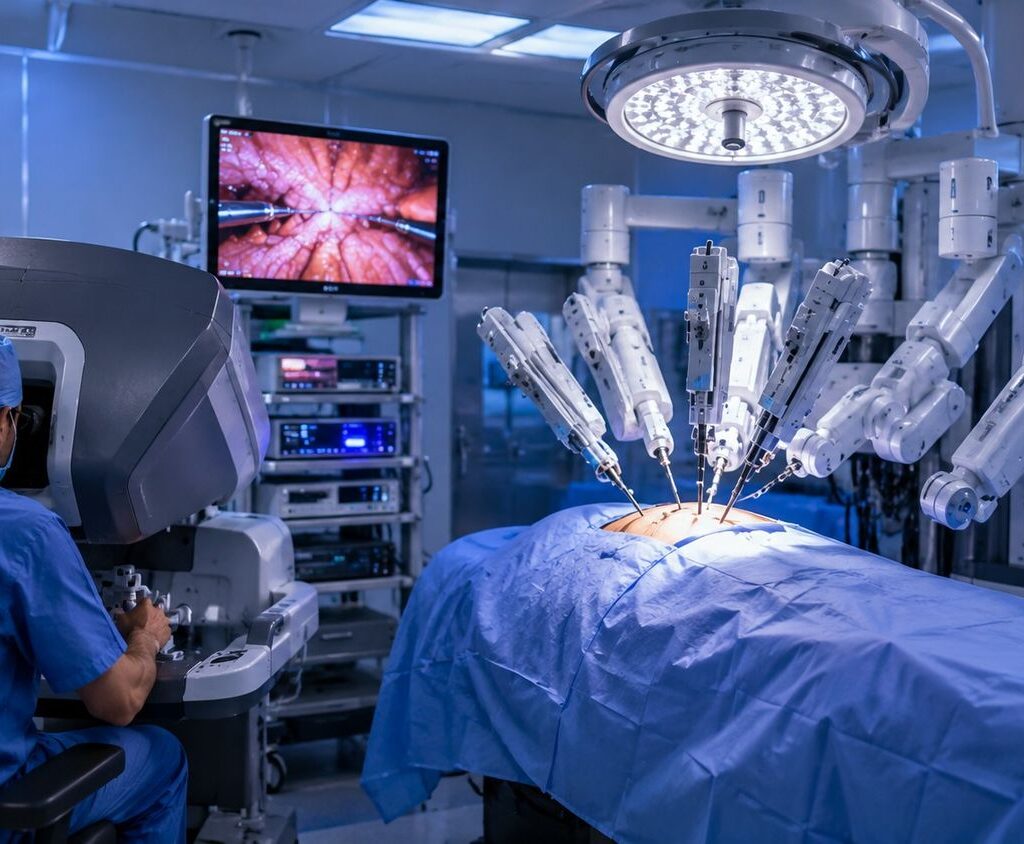
Surgeon Console
The surgeon sits comfortably at a console and views the surgical field through a magnified three-dimensional display. Hand controls and foot pedals translate the surgeon’s movements into precise actions by the robotic instruments.
Patient Cart
Positioned beside the patient, the patient cart supports multiple robotic arms that hold the surgical instruments and endoscopic camera.
Vision System
A high-definition 3D camera provides a magnified view of internal anatomy, allowing surgeons to distinguish delicate structures such as blood vessels, nerves, and tissues with exceptional clarity.
Specialized Surgical Instruments
The robotic instruments feature wrist-like joints capable of rotating beyond the range of the human hand. This flexibility enables surgeons to perform intricate procedures in confined anatomical spaces.
Why the Da Vinci Surgical System Matters
Traditional open surgery often requires large incisions, longer hospital stays, and extended recovery periods. Laparoscopic surgery reduced many of these challenges but can still be technically demanding due to limited instrument mobility.
The Da Vinci Surgical System bridges these limitations by combining minimally invasive techniques with enhanced dexterity and visualization.
This technology has become particularly valuable for procedures involving complex anatomy where surgical precision directly influences patient outcomes.
Key Features of the Da Vinci Surgical System
Several technological innovations distinguish the Da Vinci platform from conventional surgical approaches.
High-Definition 3D Visualization
Surgeons receive a magnified, immersive view of the surgical field, improving identification of tiny anatomical structures.
Tremor Reduction
Natural hand tremors are electronically filtered, resulting in smoother instrument movement.
Enhanced Dexterity
The robotic instruments provide seven degrees of freedom, allowing movements similar to or greater than the human wrist.
Motion Scaling
Large hand movements at the console can be translated into microscopic instrument movements, improving surgical precision.
Ergonomic Surgeon Position
Unlike traditional surgery, surgeons operate while seated comfortably, reducing fatigue during lengthy procedures.
Common Procedures Performed Using Robotic Surgery
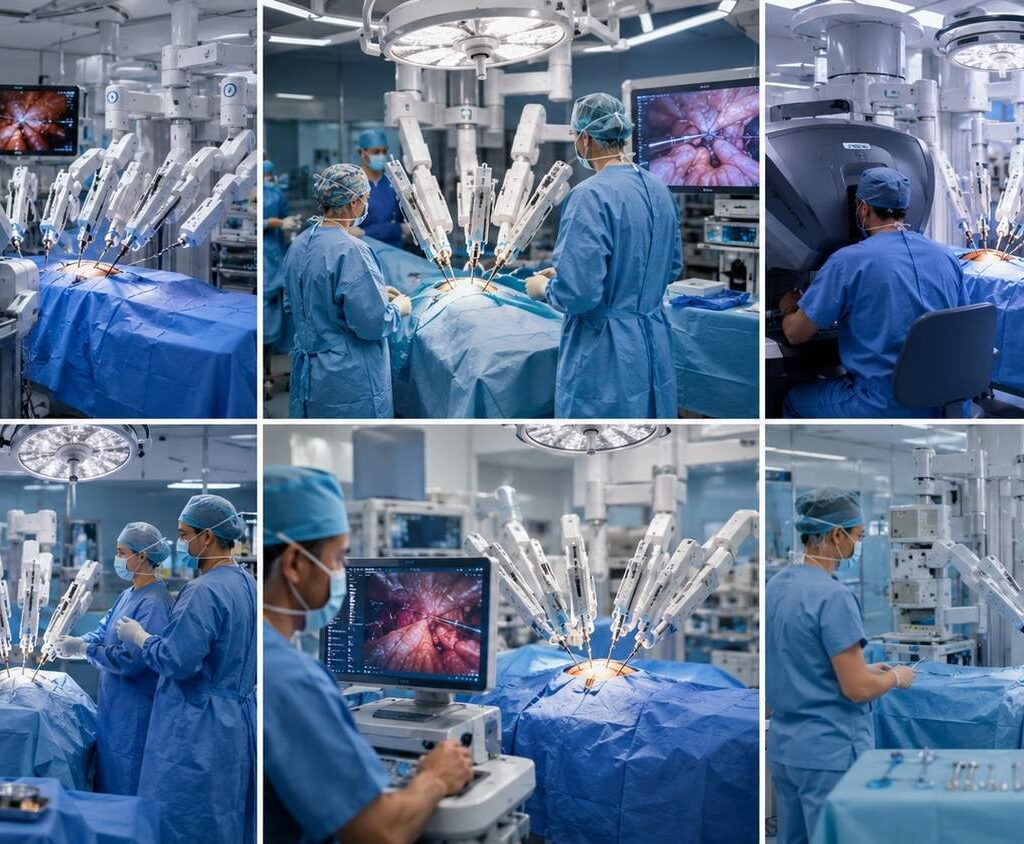
The Da Vinci Surgical System is used across multiple surgical specialties.
Urology
Robotic surgery has become widely used for:
- Radical prostatectomy
- Partial nephrectomy
- Kidney reconstruction
- Bladder surgery
Prostate cancer surgery remains one of the most common applications because preserving nerves and surrounding structures is essential for maintaining urinary and sexual function.
Gynecology
Gynecologic surgeons use robotic assistance for:
- Hysterectomy
- Myomectomy
- Endometriosis treatment
- Pelvic organ prolapse repair
General Surgery
Many abdominal procedures can be performed robotically, including:
- Hernia repair
- Gallbladder removal
- Colon surgery
- Bariatric surgery
- Liver procedures
Cardiothoracic Surgery
Robotic systems support selected heart and chest procedures such as:
- Mitral valve repair
- Lung tumor removal
- Thymectomy
Head and Neck Surgery
Some hospitals use robotic-assisted techniques for carefully selected throat and oral procedures where precision is especially important.
Benefits of the Da Vinci Surgical System
Robotic-assisted surgery offers several potential advantages when compared with traditional open surgery. However, outcomes depend on the patient’s condition, the procedure performed, and the surgeon’s experience.
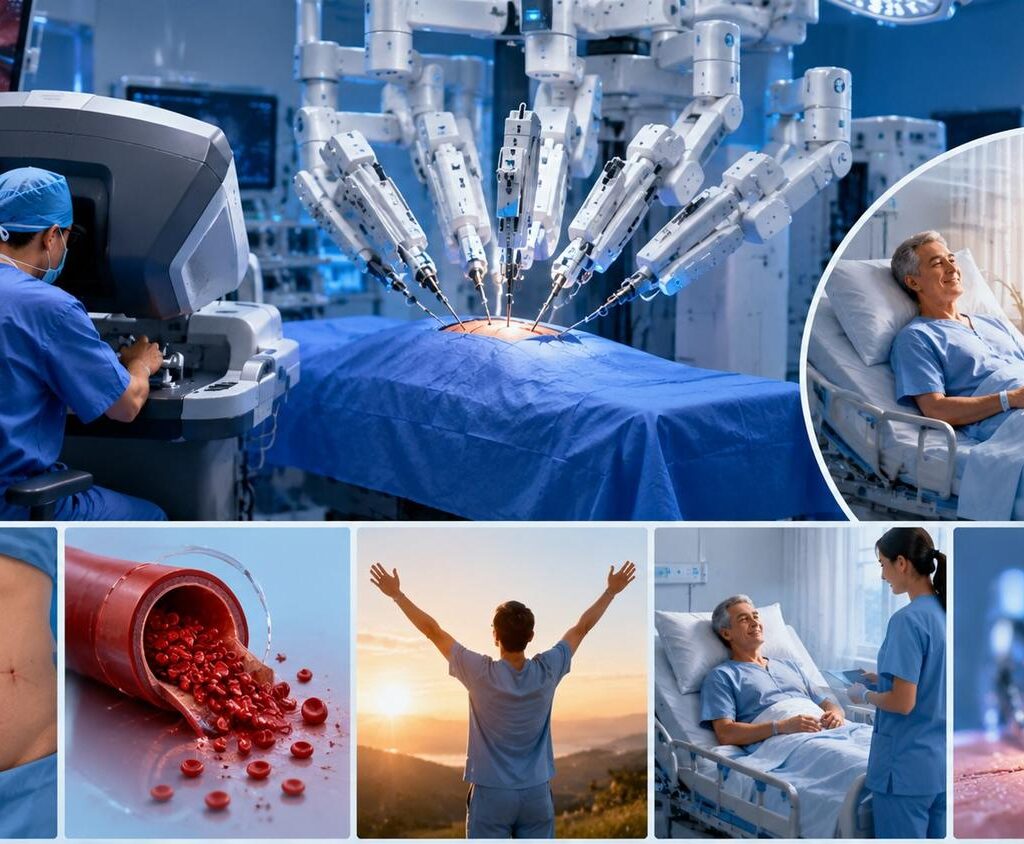
Smaller Incisions
Minimally invasive techniques generally require only small incisions, resulting in less tissue disruption.
Reduced Blood Loss
Improved surgical precision may reduce bleeding during many procedures.
Lower Risk of Infection
Smaller surgical wounds often decrease the risk of postoperative infection.
Faster Recovery
Many patients return to normal activities sooner compared with open surgery.
Less Postoperative Pain
Smaller incisions frequently result in reduced pain and lower reliance on pain medication.
Shorter Hospital Stay
Many robotic procedures allow patients to leave the hospital earlier than traditional surgery.
Improved Surgical Precision
Enhanced visualization and instrument control help surgeons work around delicate structures more accurately.
Potential Risks and Limitations
Although robotic surgery provides many benefits, it is not without risks.
Possible limitations include:
- Equipment malfunction
- Longer operating times during early adoption
- Higher procedural costs
- Limited availability in smaller hospitals
- Requirement for specialized surgeon training
Like any surgical procedure, robotic surgery also carries risks associated with anesthesia, infection, bleeding, blood clots, and complications specific to the operation being performed.
Patients should discuss these risks with their healthcare provider before choosing a surgical approach.
Surgeon Training and Experience
One of the most important factors influencing robotic surgery outcomes is the surgeon—not the robot itself.
Operating the Da Vinci Surgical System requires extensive education, simulation training, supervised procedures, and ongoing skill development.
Hospitals often implement credentialing programs to ensure surgeons demonstrate proficiency before independently performing robotic-assisted procedures.
Research consistently shows that surgeon experience plays a major role in reducing complications and improving patient outcomes.
The Role of Artificial Intelligence in Robotic Surgery
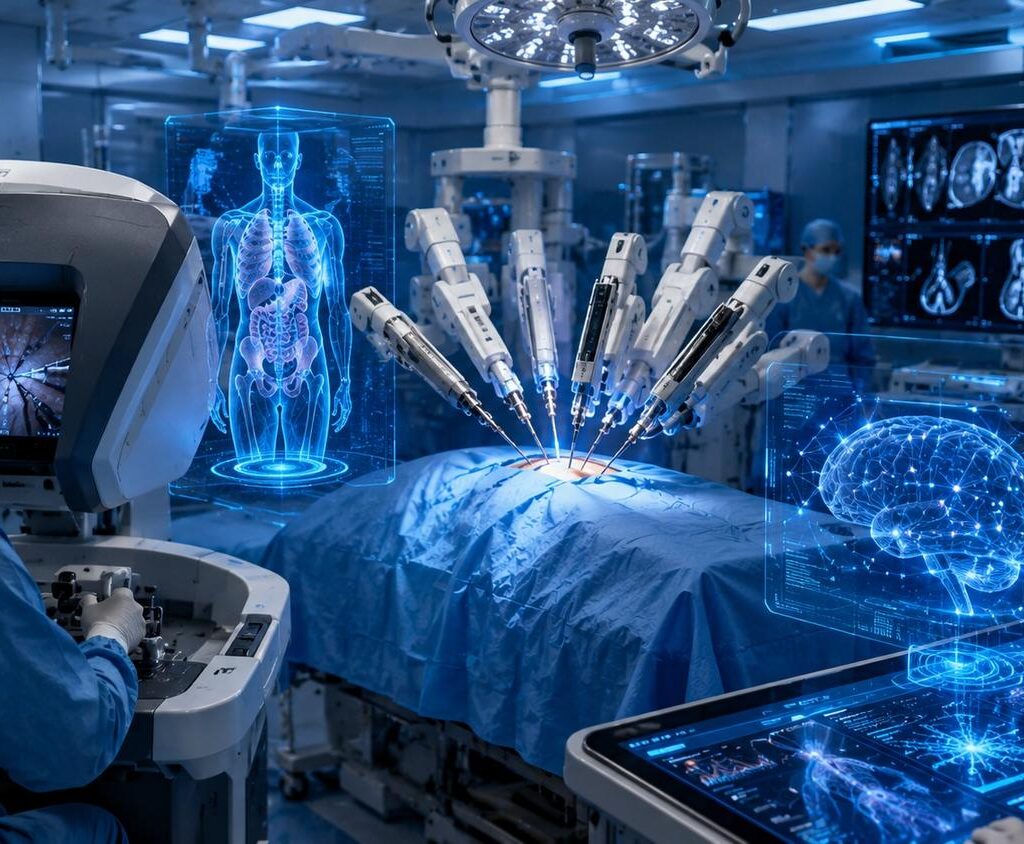
Although the current Da Vinci Surgical System is surgeon-controlled, artificial intelligence is beginning to influence robotic surgery in several ways.
AI technologies may assist with:
- Surgical planning
- Image analysis
- Anatomy recognition
- Workflow optimization
- Performance assessment
- Predictive analytics
Future robotic platforms may incorporate machine learning algorithms that provide real-time guidance, identify anatomical landmarks, and enhance surgical decision support while keeping the surgeon in full control.
Who Is a Good Candidate?
Not every patient qualifies for robotic-assisted surgery.
Suitability depends on several factors:
- Medical history
- Overall health
- Type of disease
- Body anatomy
- Previous surgeries
- Surgeon recommendation
Patients with certain complex medical conditions or extensive scar tissue may require traditional open surgery instead.
A thorough preoperative evaluation helps determine the safest surgical option.
Preparing for Robotic Surgery
Preparation is generally similar to other surgical procedures.
Patients may undergo:
- Physical examination
- Blood tests
- Medical imaging
- Medication review
- Anesthesia consultation
Doctors often recommend stopping certain medications before surgery and following fasting instructions to reduce anesthesia-related risks.
Understanding postoperative recovery expectations is also an important part of surgical preparation.
Recovery After Robotic Surgery
Recovery varies depending on the procedure performed.
Many patients experience:
- Earlier mobility
- Reduced pain
- Smaller scars
- Faster return to daily activities
Recovery instructions typically include:
- Walking regularly
- Wound care
- Pain management
- Dietary guidance
- Follow-up appointments
- Temporary activity restrictions
Patients should contact their healthcare provider immediately if they develop fever, excessive bleeding, severe pain, or signs of infection.
Robotic Surgery vs Traditional Surgery
| Feature | Robotic Surgery | Traditional Open Surgery |
|---|---|---|
| Incision Size | Small | Large |
| Visualization | High-definition 3D | Direct view |
| Instrument Movement | Highly flexible | Standard instruments |
| Blood Loss | Often lower | Usually greater |
| Hospital Stay | Often shorter | Usually longer |
| Recovery Time | Faster for many patients | Longer |
| Scarring | Minimal | More noticeable |
The best surgical approach depends on the individual patient’s condition, available technology, and the surgeon’s expertise.
Cost Considerations
Robotic surgical systems require substantial investment for hospitals, including equipment purchase, maintenance, and disposable instruments.
As a result, robotic procedures may be more expensive than conventional surgery in some healthcare settings.
However, shorter hospital stays, fewer complications, and quicker recovery may offset some costs over time, depending on the procedure and healthcare system.
Insurance coverage varies by country, provider, and medical indication.
Future of the Da Vinci Surgical System
Robotic surgery continues to evolve rapidly.
Future developments may include:
- Smaller robotic platforms
- Improved surgical imaging
- Enhanced haptic feedback
- Greater AI-assisted decision support
- Advanced data analytics
- Integration with augmented reality
- Remote surgical collaboration through secure digital networks
These innovations aim to improve patient safety, surgical precision, and clinical efficiency while expanding access to minimally invasive procedures.
Frequently Asked Questions
No. The system cannot perform surgery independently. Every movement is fully controlled by a trained surgeon.
For many procedures, robotic-assisted surgery can offer advantages such as smaller incisions and quicker recovery. However, safety depends on the patient’s condition, the specific procedure, and the surgeon’s experience.
Many patients report less postoperative pain because robotic surgery usually involves smaller incisions than open surgery.
Recovery varies by procedure, but many patients resume normal daily activities sooner than after traditional open surgery.
No. While robotic surgery is used in many specialties, not all procedures or patients are suitable candidates.
No. The robot cannot make independent decisions. It only responds to the surgeon’s commands.
Its advanced visualization, precise instrument control, and minimally invasive approach have made it one of the most widely adopted robotic surgical platforms worldwide
Conclusion
The Da Vinci Surgical System has become a cornerstone of modern robotic surgery, helping surgeons perform complex procedures with greater precision, enhanced visualization, and minimally invasive techniques. Rather than replacing human expertise, the system serves as an advanced surgical tool that extends the surgeon’s capabilities while supporting improved patient care.
Although robotic-assisted surgery offers meaningful benefits such as smaller incisions, reduced blood loss, shorter hospital stays, and faster recovery for many patients, it is not the right choice for every situation. Successful outcomes depend on careful patient selection, the nature of the procedure, and the experience of the surgical team.
As robotics, artificial intelligence, imaging technology, and digital healthcare continue to advance, the future of minimally invasive surgery is likely to become even more precise, personalized, and efficient. For patients considering robotic-assisted procedures, discussing available treatment options with a qualified surgeon remains the best way to determine the most appropriate approach for their individual medical needs.