
Introduction
You’re sitting in a paper-gowned silence, waiting for a radiologist to spot a tiny nodule on your CT scan a shadow that could mean everything. Now imagine an algorithm spots it in 0.3 seconds, flags it for the doctor, and measures how it changed compared to last year’s scan.
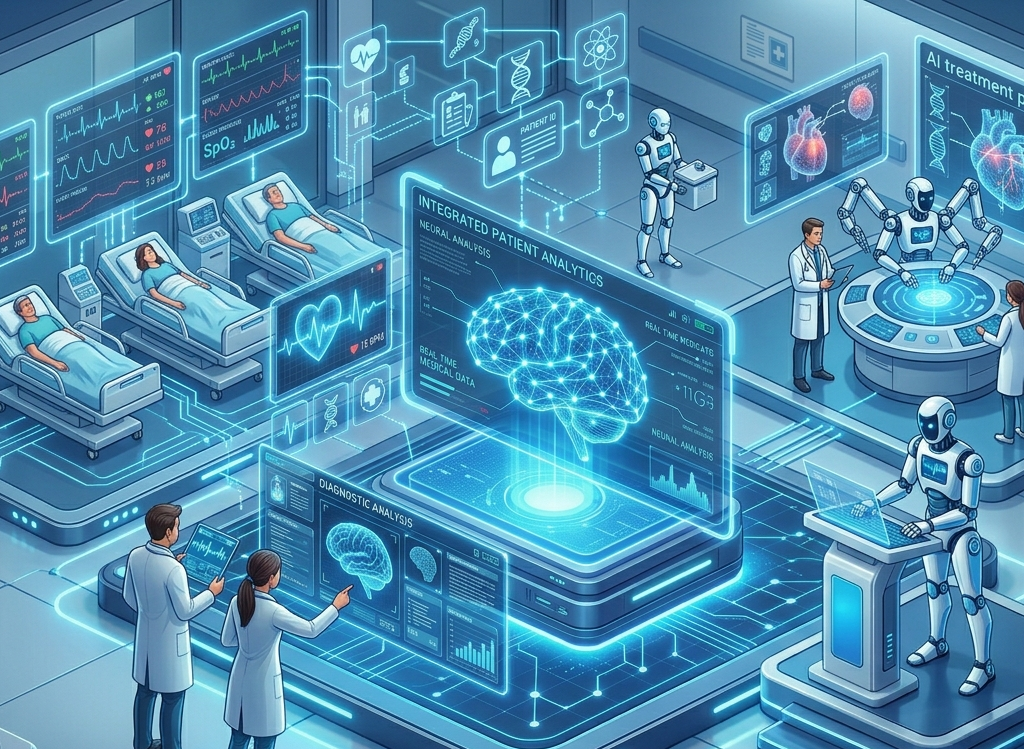
Artificial intelligence is rapidly changing modern medicine, and AI in healthcare is no longer just a futuristic concept. From detecting cancer earlier to predicting life-threatening conditions, AI tools are helping doctors make faster and more accurate decisions. Imagine sitting in a hospital waiting room while an algorithm analyzes your CT scan in seconds and alerts a radiologist before a critical condition becomes dangerous. That is not science fiction. It is the reality of AI in healthcare today. While many people fear that AI could replace doctors, the real transformation is different. The best healthcare systems are using AI to support clinicians, reduce burnout, and create more time for meaningful patient care.
The Quiet Takeover You Haven’t Noticed
Most people imagine AI as a surgical robot or a chatbot therapist. However the most impactful AI in healthcare is invisible. It lives inside the MRI machine, the electronic health record, and the lab that processes your blood work.
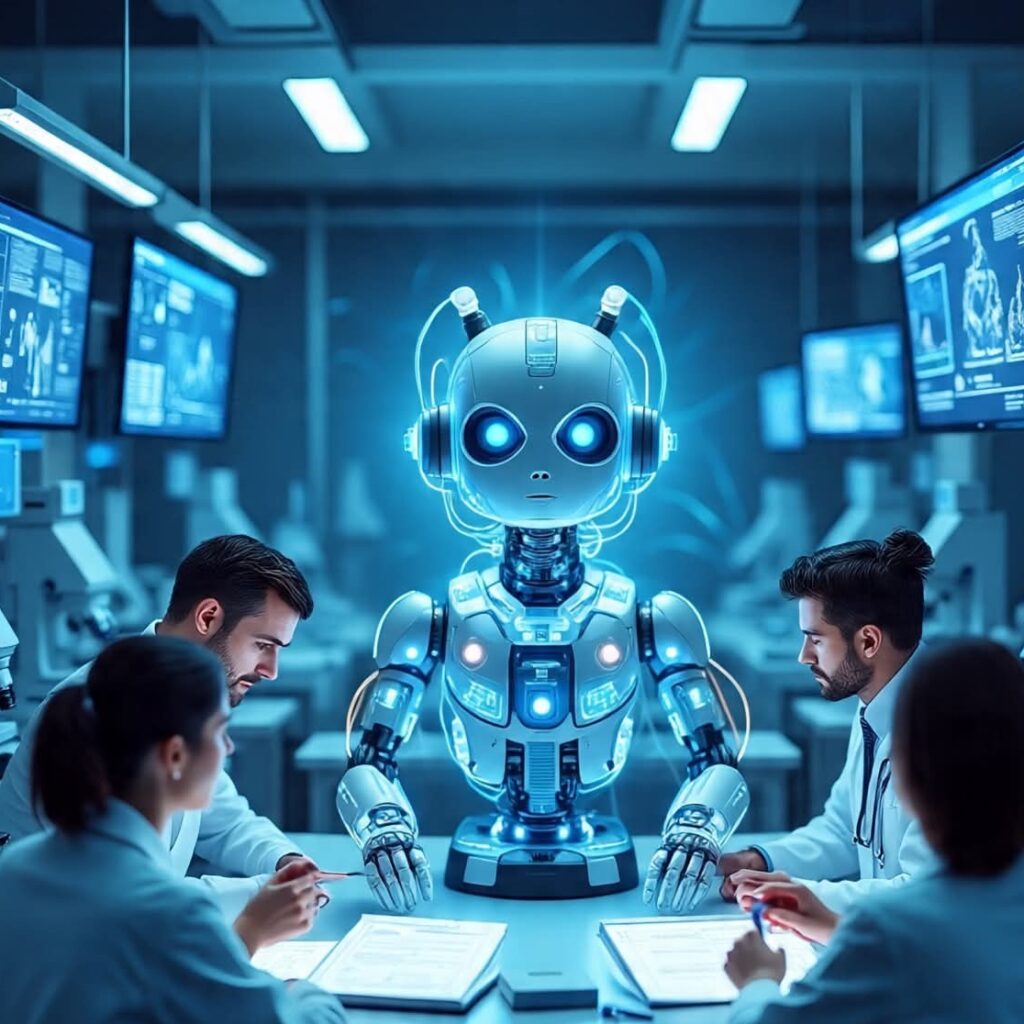
Consider this: a 2026 study in The Lancet Digital Health found that AI algorithms detected breast cancer in mammograms with a 20% higher sensitivity than radiologists and with fewer false positives. Interstingly The best results came when both worked together. Human + AI outperformed either alone.
From Hype to Hospital: Where AI Actually Shines
Let’s move past the buzzwords. Here are three areas where AI in healthcare is delivering measurable, life-changing results right now.
1. Reading What Eyes Miss (Radiology & Pathology)
Radiologists examine thousands of images daily. Fatigue is inevitable.In contrast AI never gets tired. Tools like Viz.ai analyze CT scans for large vessel occlusions (strokes) and instantly notify neurosurgeons cutting diagnosis time from 45 minutes to under 7.
I spoke with a stroke coordinator in Ohio who told me: “Before AI, we lost patients while waiting as a result hospitals are now reducing diagnosis delays significantly for someone to notice the alert. Now the alert finds us.”
2. Predicting the Crisis Before It Happens
Sepsis kills 270,000 Americans annually. It’s a race against inflammation. Meanwhile Hospitals using AI in healthcare like Epic’s sepsis model have reduced mortality by over 30%. The algorithm combs through vital signs, lab results, and nursing notes to send a “sepsis warning” up to 12 hours before clinical symptoms appear.
3. Your Pocket Triage Nurse
In addition Apps like Ada Health and Babylon use AI to ask you simple questions then recommend whether you need a clinic, an ER, or a good night’s sleep. A 2022 study published in JMIR found these tools matched nurse triage accuracy (over 90%) and reduced unnecessary ER visits by 22%.
For rural patients hours from the nearest hospital, that’s a lifeline.
AI in Healthcare vs Traditional Healthcare Systems
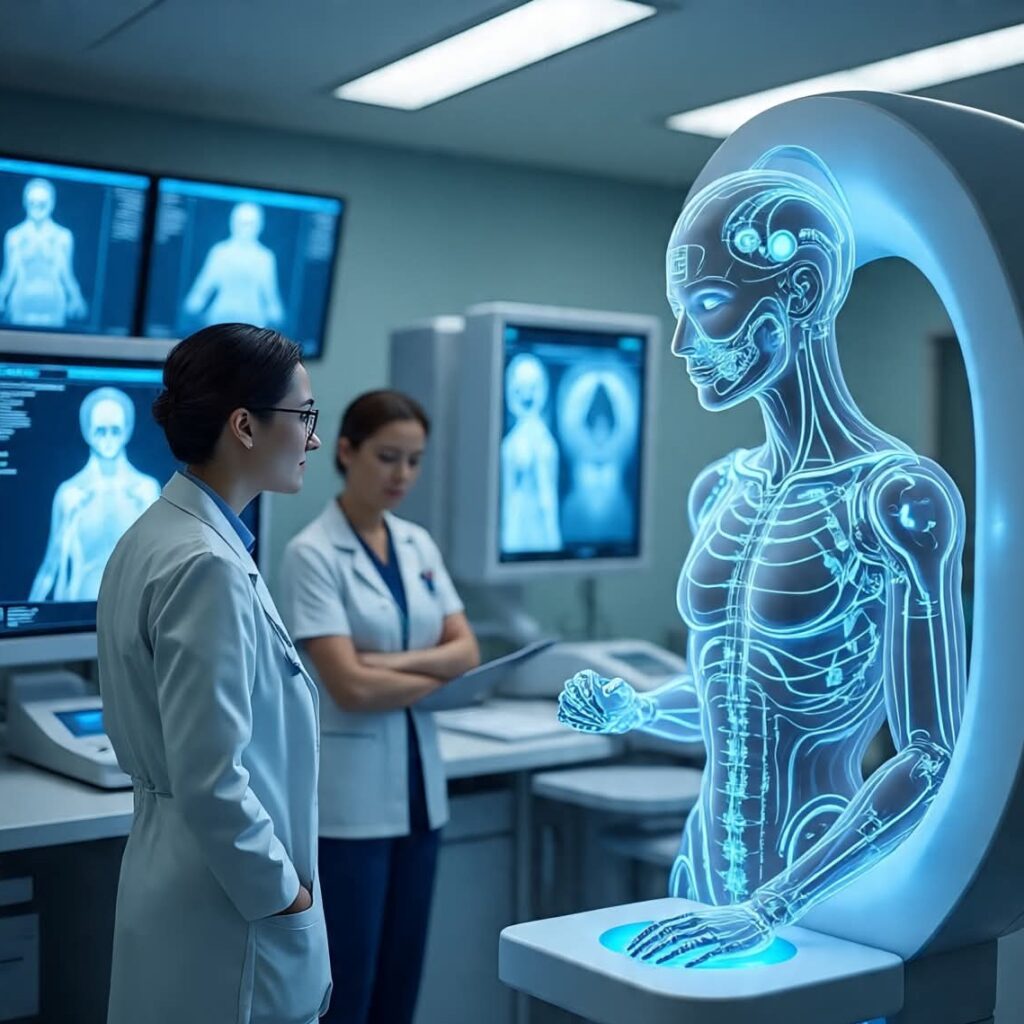
| Area | Traditional Healthcare | AI-Driven Healthcare |
| Patient Monitoring | Periodic checkups | Real-time monitoring |
| Diagnosis Speed | Moderate | Rapid analysis |
| Treatment Planning | Generalized | Personalized |
| Administrative Tasks | Manual | Automated |
| Predictive Care | Reactive | Preventive |
The Dark Side of the Algorithm (Honest Talk)
No glowing review is complete without the warnings. AI in healthcare has three serious challenges that keep experts awake at night.
Bias Built into the Code
If you train an AI only on data from urban academic hospitals, it will fail in a rural clinic. If you train it mostly on white male patients, it may misdiagnose skin cancer on darker skin. A notorious 2019 study in Science showed that a widely used algorithm undertreated Black patients because it used past healthcare costs as a proxy for need and the system had historically spent less on Black patients.
The fix isn’t just technical. It’s ethical.

The “Black Box” Problem
When an AI recommends a treatment, it rarely explains why. Doctors trained in evidence-based medicine hate this. If you can’t see the reasoning, how do you trust it? How do you defend it in court?
Regulators are now pushing for explainable AI but we’re not there yet.
Job Disruption (Real, But Not What You Think)
Receptionists, medical coders, and even some radiologists may see their roles shrink. But history teaches us a different pattern. When ATMs arrived, bank tellers didn’t vanish they moved from counting cash to selling financial products. Similarly, AI in healthcare will push clinicians up the value chain, away from data entry and toward empathy, complex decision-making, and difficult conversations.
In other words, AI handles the what. Humans handle the why.
Five Years From Now: What You Should Expect
Let’s project forward. By 2030, credible forecasts from McKinsey suggest AI in healthcare will be as routine as the stethoscope.
. Your electronic health record will summarize your entire history into a two-minute narrated briefing for any new doctor.
· Wearables (watch, ring, patch) will feed real-time data into AI that predicts asthma attacks, migraines, or even suicidal ideation before you consciously feel it.
· Payer approval for procedures will happen instantly, not after weeks of faxes.
But the biggest shift? You will stop noticing AI. It will become infrastructure, like electricity. You’ll care only about outcomes: fewer misdiagnoses, shorter waits, and more time looking a doctor in the eye.
Why This Matters to You (Right Now)
Maybe you’re healthy. Or maybe you’re caring for an aging parent. Either way, AI in healthcare is already touching your life.
When you call your pharmacy and the automated system refills your prescription in 10 seconds that’s AI.
When your insurance pre-authorizes a medication without you filling out a single form that’s AI.
When the emergency room knows your allergies before you open your mouth that’s AI.
The question isn’t whether you want it. The question is whether we build it right: transparent, fair, and always with a human in the loop.
Your Turn: Be an Informed Patient
Here’s my call to action. Next time you visit a doctor, ask one question: “Do you use any AI tools to help interpret my tests or manage my care?”
Not to challenge them. To start a conversation. Because the best AI in healthcare doesn’t replace your doctor’s heart. It helps that heart beat a little more freely, unburdened by the impossible task of remembering every medical study ever published.
What about you? Have you experienced AI in a healthcare setting as a patient, a family member, or a professional? Share your story in the comments below. And if you found this useful, subscribe to our newsletter for more no-hype looks at technology that actually matters.
Frequently Asked Questions About AI in Healthcare
What is AI in healthcare?
AI in healthcare refers to the use of artificial intelligence technologies to improve diagnosis, treatment, patient monitoring, and hospital management.
Can AI replace doctors?
No. AI is designed to support healthcare professionals, not replace human judgment, empathy, and clinical expertise.
What are the benefits of AI in healthcare?
AI helps improve diagnosis accuracy, reduce medical errors, speed up treatment decisions, and personalize patient care.
Is AI in healthcare safe?
AI can improve healthcare outcomes, but concerns about privacy, bias, and transparency still require proper regulation.
How is AI used in hospitals?
Hospitals use AI for medical imaging, disease prediction, virtual assistants, patient monitoring, and workflow automation.
Note: This article is for informational purposes only and does not constitute medical advice. Always consult a qualified healthcare provider for personal medical decisions.
Visual Suggestion (for your blog layout)
Insert an infographic here: “AI in Healthcare by the Numbers”
· 35% reduction in missed strokes (Viz.ai trial data)
· 22% fewer unnecessary ER visits (JMIR study)
· 20% higher breast cancer detection (The Lancet)
· 30% lower sepsis mortality (Epic model)
Then a simple icon table showing AI Strengths vs. Human Strengths:
AI Strengths Human Strengths
Speed & scale Empathy & ethics
Pattern recognition Context & nuance
24/7 availability Creativity & intuition
No fatigue Moral judgment